
5 Skills You’ll Learn in a Game Development Course
Game development has grown into one of the most exciting and influential creative industries of the modern era. What once began as a small sector dominated by simple arcade titles has evolved into a global field powered by cinematic storytelling, advanced 3D graphics, and real-time immersive worlds.
Behind every game – lies a team of artists and developers who understand the creative and technical craft required to bring a virtual universe to life.
There are countless tools, disciplines, technical rules, and creative expectations. That’s exactly why a structured game development course is so valuable.
It gives you a guided path, professional habits, and the essential skills needed to produce real, studio-quality work. Programs like those at M3DS Academy are built specifically to bridge the gap between raw interest and professional readiness, teaching students the complete 3D and game development pipeline from the ground up.
Below are the five essential skills you’ll develop in a game development course.
What a Game Development Course Really Teaches You
1. A Complete Understanding of 3D Modeling and Digital Sculpting
One of the first skills you develop is the ability to create 3D models – the characters, environments, props, and elements that define a game world. Modeling is the backbone of game development, and a good course teaches you the entire process from foundational shapes to fully detailed, game-ready assets.
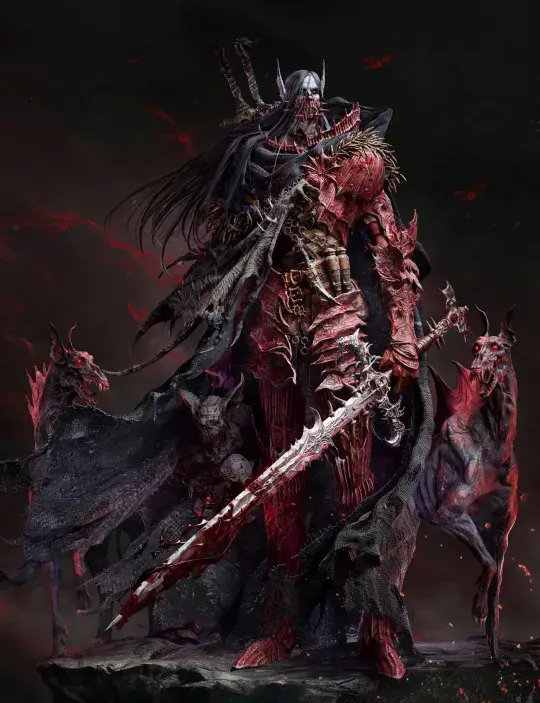
You begin with simple forms, gradually learning how to construct believable proportions, strong silhouettes, and visually readable geometry. Sculpting tools like ZBrush allow you to push this further, carving in fine details, anatomical structure, and high-resolution forms that make your characters or props feel alive.
But modeling isn’t just about creating high-resolution meshes. You also learn how real-time game engines operate. A sculpt may have millions of polygons, but a game-ready asset must be efficient. A professional curriculum teaches:
- Clean topology
- Retopology workflows
- UV unwrapping
- Baking maps (normal, AO, curvature, etc.)
- Creating optimized meshes for real-time engines
The course at M3DS Academy places heavy emphasis on production-ready modeling, guiding students through industry tools such as Autodesk Maya and ZBrush to ensure they learn workflows used in real studio environments.

2. Realistic Texturing, Materials, and Surface Detail
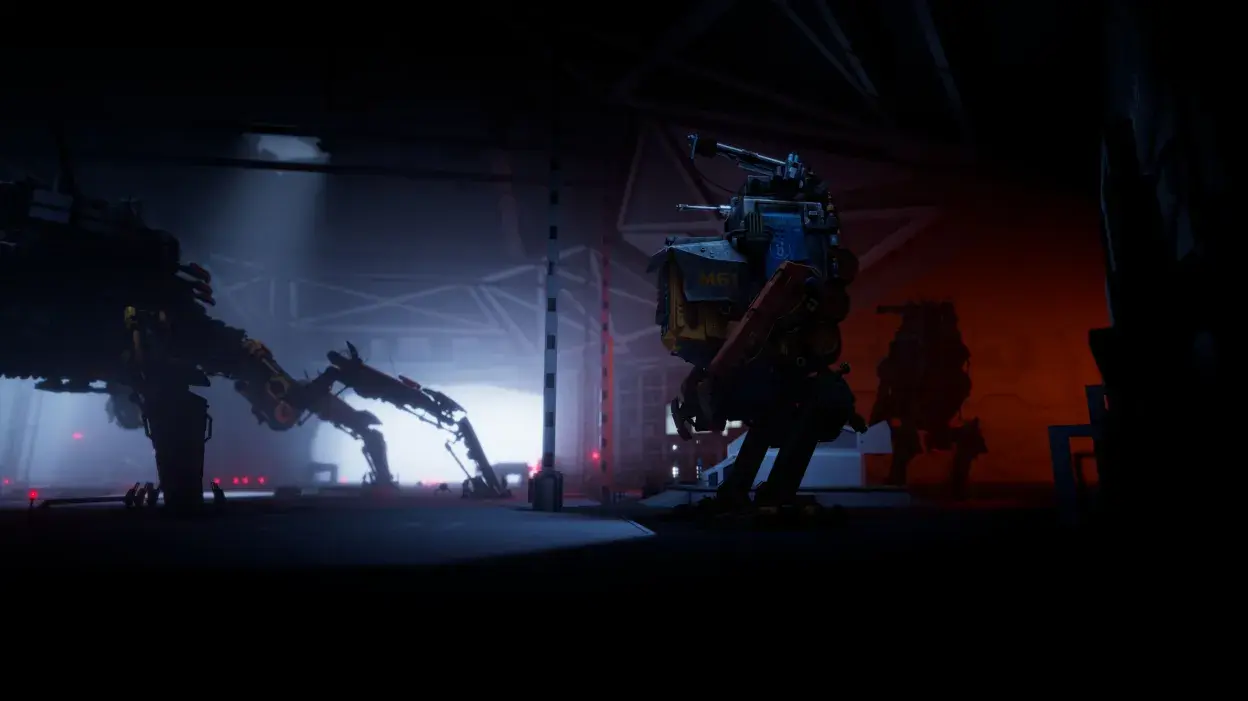
Once you master shapes and forms, the next skill is learning how to give your models life through texture and material work. Modern games rely on physically-based rendering (PBR), a system that simulates how real-world materials react to light.
A course teaches you how to create believable surfaces – everything from polished metal to aged wood, rough stone, stylized paint, skin, rust, and fabric.
Instead of simply “painting colors,” you learn to control roughness, metalness, normal information, and ambient occlusion – all of which contribute to how light interacts with your asset.
This is where tools like Substance Painter and Substance Designer become essential. You’ll learn how to layer wear, dust, scratches, color variation, and height detail in ways that feel balanced rather than random.
A good course also teaches you how to think critically:
- What story does the surface tell?
- Has the object been used?
- Is it new, damaged, or weathered?
This artistic thinking is as important as the technical process.
M3DS Academy deeply integrates texturing into its curriculum, ensuring students understand both artistic and technical material creation. By the end of training, you’ll know how to texture for real-time engines, cinematic renders, and portfolio presentation.
3. Lighting, Rendering, and Bringing Your Scenes to Life
Lighting transforms a scene from mechanical to magical. Even a perfectly modeled and textured asset can fall flat without proper lighting. A game development course teaches the fundamentals of:
- Light behavior
- Color theory
- Atmosphere and mood
- Composition
- Camera work and framing
- Real-time rendering techniques
You learn how engines like Unreal Engine simulate light in real time, how shadows influence drama, and how color temperature can change the emotional tone of a scene. You also explore post-processing effects-bloom, vignette, depth of field, and color grading-that bring your images closer to cinematic quality.
Lighting is where artistic intuition and technical knowledge merge.
At M3DS Academy, students practice scene lighting in Unreal Engine and render assets using Marmoset Toolbag. Regular instructor feedback helps refine your understanding of contrast, storytelling, and how to build portfolio images that stand out.
Related Articles:

4. Understanding the Game Development Pipeline and Optimization
Creating a game isn’t just about making pretty assets. It’s also about making assets that run well in real-time environments. A course teaches you how the entire pipeline works – from concept art to final gameplay – and where your role fits within that structure.
You learn how different departments communicate, how assets must be optimized for fast loading and high performance, and how technical constraints affect artistic decisions. Concepts like polygon limits, LODs, texture compression, draw calls, and shader efficiency become second nature. These skills are what separate hobbyists from serious developers.
A strong program teaches not only the “how” but the “why.” Why certain techniques are used, why optimization matters, and why collaboration is essential. This knowledge builds confidence and prepares you for real studio environments.
M3DS Academy takes this part of training seriously, helping students understand production logic, real-world workflows, and the expectations of modern game studios.
5. Building a Professional Portfolio and Industry-Ready Mindset
The final and most critical skill you gain is the ability to present your work professionally. A powerful portfolio is the key that opens the door to a career in game development. A good course teaches you how to:
- Showcase models clearly
- Present wireframes and topology
- Create breakdowns of your workflow
- Capture high-quality renders
- Organize your projects for ArtStation or job applications
Just as important is learning how to critique your own work, refine your strengths, and build the mindset required for long-term professional growth.
At M3DS Academy, mentorship plays a central role. Instructors guide you through polishing your portfolio, giving feedback that helps you reach industry standards. You learn what hiring managers look for, what pieces to include, and how to present your abilities in the most compelling way.
How M3DS Supports Your Game Development
M3DS Academy stands out because it combines flexibility with structure. Students can start anytime, learn at their own pace, and still receive consistent guidance, accountability, and personal mentorship.
Throughout the program, you’re trained in the industry’s leading tools and workflows, gradually building a complete understanding of game art production.
Whether you begin in learning foundational modeling, or advance, where you specialize in character art, environment art, or technical pipelines, the academy ensures you develop both artistic and technical mastery.
By the end of the program, you’re not just familiar with tools. You’re capable of handling real-world challenges, contributing to a team, and presenting a professional portfolio that reflects your strengths.
Final Thoughts
A game development course gives you far more than software knowledge. It offers a complete foundation – artistic, technical, and professional – that prepares you to build compelling virtual worlds.
Whether your dream is to build characters, design environments, work on cinematic worlds, or contribute to the next generation of games, the right program can turn that dream into a direction.
With its industry-focused approach, expert instructors, and flexible yet rigorous structure, M3DS Academy is one of the places where beginners grow into capable, confident digital artists ready for real opportunities.


