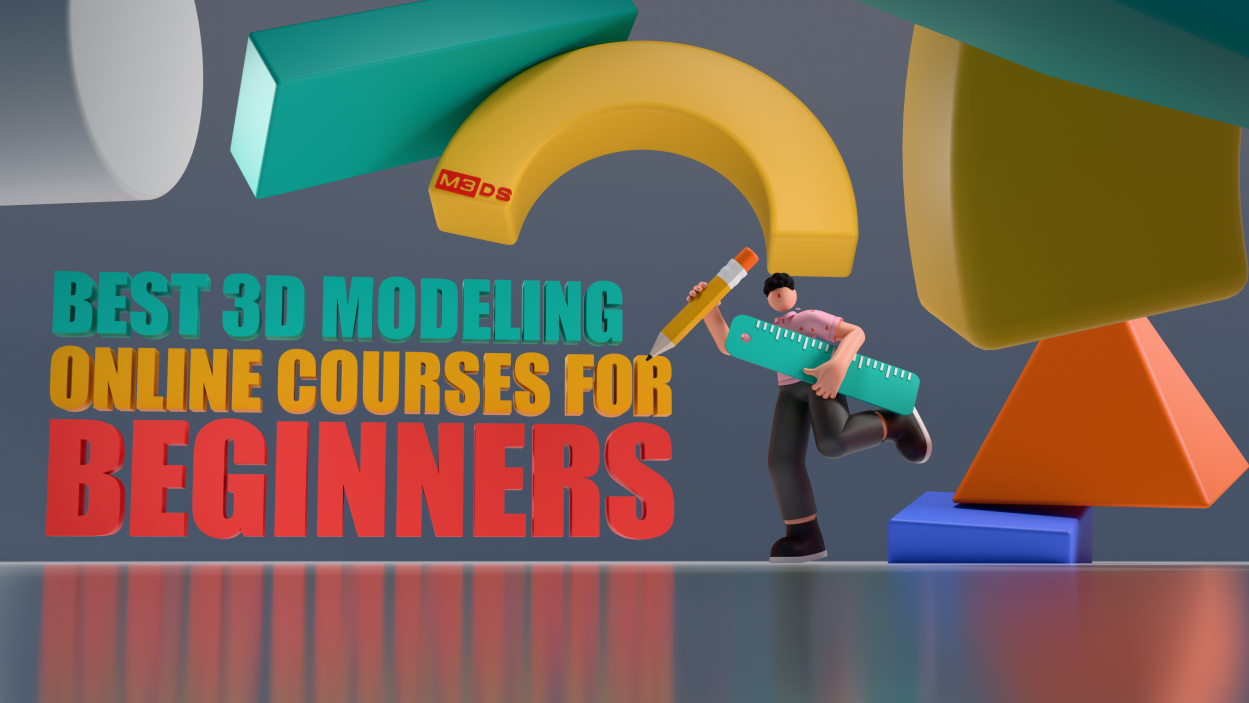
Best 3D Modeling Online Courses for Beginners
The world of 3D modeling has expanded rapidly across industries such as gaming, animation, visual effects, architecture, product design, and virtual reality. What once required expensive software and classroom training can now be learned online from anywhere in the world. For beginners, however, the biggest challenge is not finding courses, it’s choosing the right type of course to start with.
With so many platforms, tools, and learning paths available, beginners often feel overwhelmed. Should you learn Blender or Maya? Is character modeling better than environment design? Do you need a short course or a full career program?
This article breaks down the best types of 3D modeling online courses for beginners, explains what each course type offers, and helps you decide which learning path suits your goals, whether you want to explore 3D as a hobby or build a professional career.
What Beginners Should Look for in a 3D Modeling Course?
Before enrolling in any online 3D modeling classes, beginners should focus on a few essential factors:
- Beginner-friendly curriculum with no prior experience required
- Clear fundamentals such as modeling basics, topology, and workflows
- Industry-standard software exposure
- Hands-on projects rather than only theory
- Guided learning or mentorship for faster progress
The best online courses for 3D modeling build confidence step by step and prepare learners for advanced skills in the future.
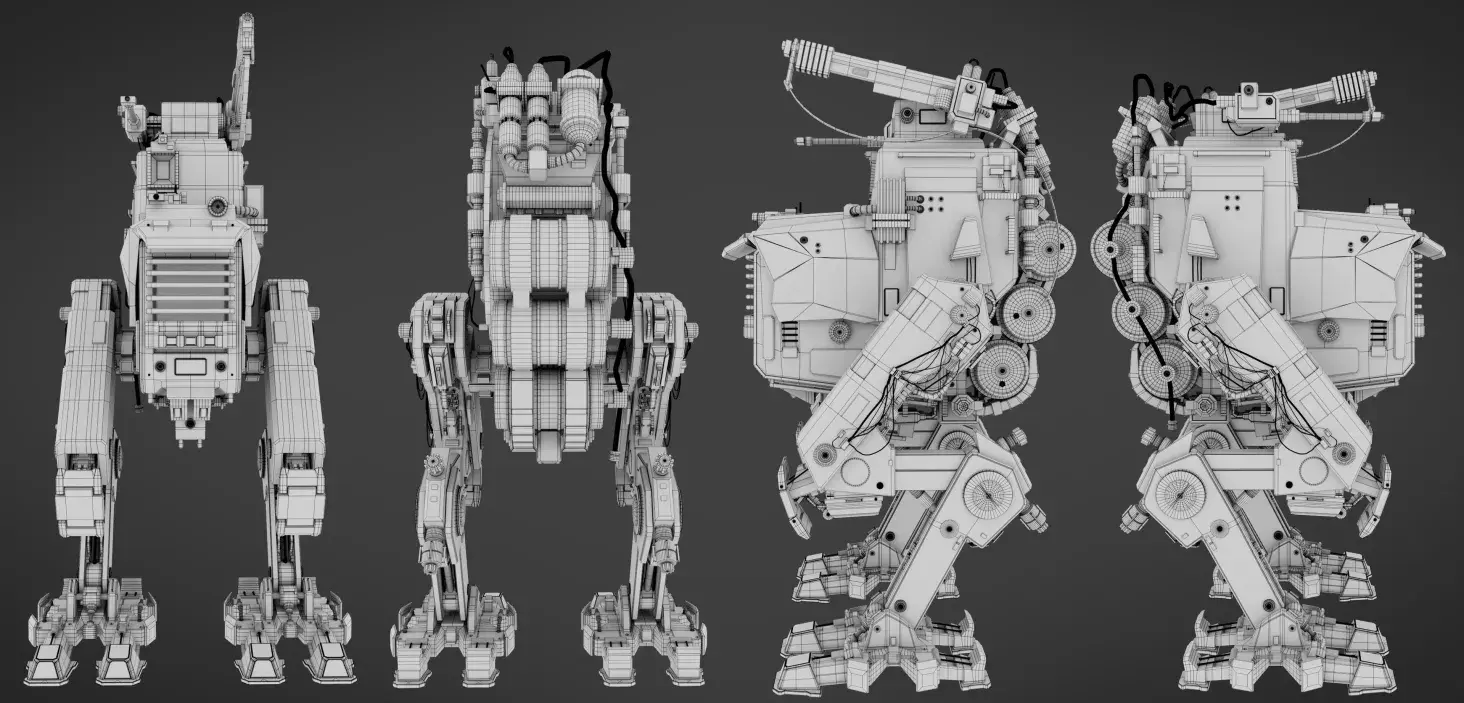
Types of 3D Modeling Courses Beginners Should Learn First
1. Complete Beginner & 3D Fundamentals Courses
Fundamentals courses are the most important starting point for beginners. These courses focus on the core concepts of 3D modeling rather than advanced specialization.
They typically teach:
- Understanding 3D space and navigation
- Vertices, edges, and faces
- Basic hard-surface and organic modeling
- Introduction to sculpting, texturing, and rendering
These courses help beginners understand how 3D works before diving into complex tools.
Example: CG Fundamentals by M3DS Academy
Structured foundation programs like CG Fundamentals at M3DS Academy are designed for complete beginners. The course introduces modeling, sculpting, texturing, and basic industry workflows using professional tools such as Maya, ZBrush, and Unreal Engine. This type of program is ideal for learners who want a strong base rather than fragmented tutorials.
2. Software-Specific 3D Modeling Courses
Many beginners prefer to focus on one software at a time. Software-specific courses allow learners to master tools step by step while building real projects.
Popular beginner software courses include:
- Autodesk Maya – Widely used in animation and VFX
- ZBrush Basics – Introduction to digital sculpting
These courses usually cover interface navigation, essential tools, modeling workflows, and beginner projects.
M3DS Academy Individual Software Courses
M3DS Academy offers individual software courses focused on Maya, ZBrush, and Unreal Engine. These one-on-one mentored courses are designed for beginners who want personal guidance while learning a specific tool, rather than following general or self-paced tutorials.


3. Game Asset Modeling Courses for Beginners
Game asset modeling is one of the most popular entry points into 3D modeling. Beginner-level game modeling courses focus on creating optimized assets that work inside real-time engines.
These courses teach:
- Low-poly modeling techniques
- UV mapping and texture optimization
- Game-ready props and environments
- Exporting assets to Unreal Engine or Unity
Game asset courses are perfect for beginners who want to enter the game industry without starting with complex character animation.
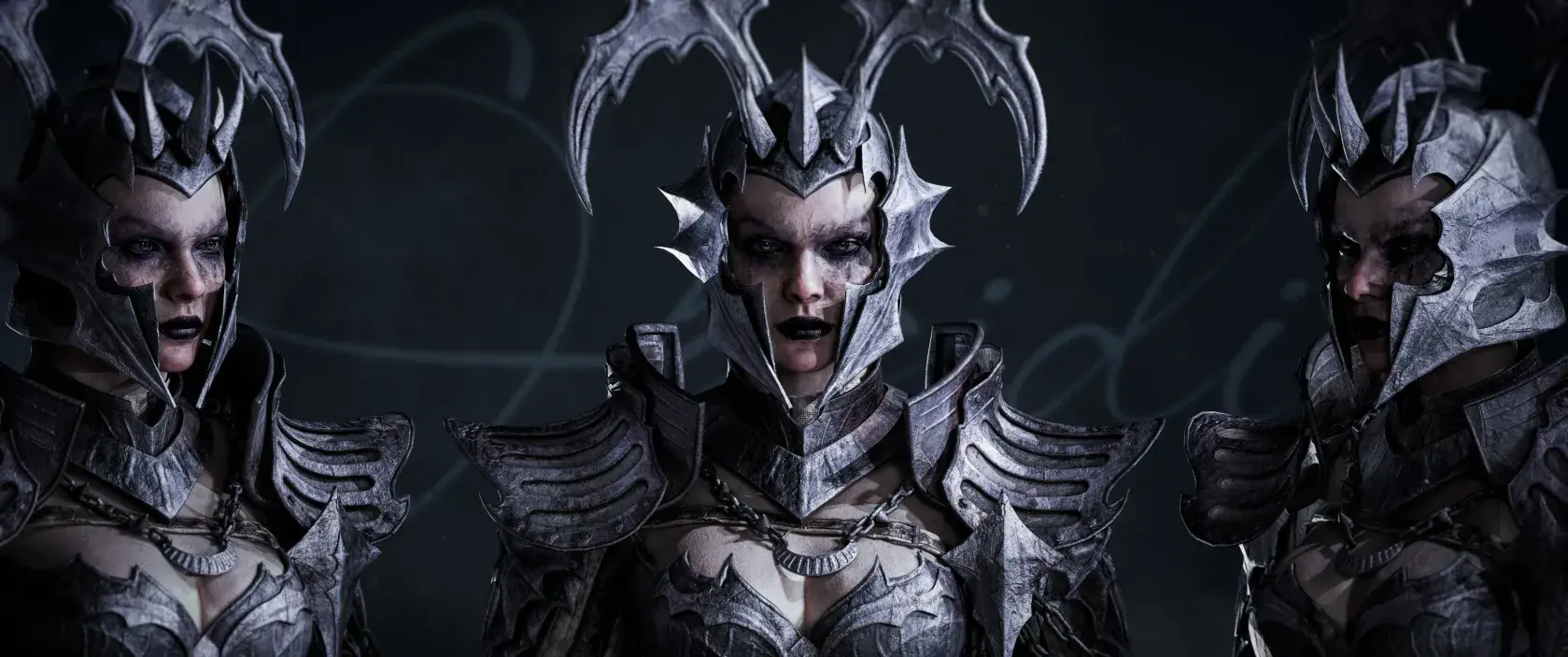
4. Character Modeling Courses for Beginners
Character modeling is often what attracts people to 3D, but it can also be one of the most challenging areas. Beginner character modeling courses focus on simplified workflows rather than hyper-realism.
They usually include:
- Basic anatomy and proportions
- Simple character sculpting
- Clean topology fundamentals
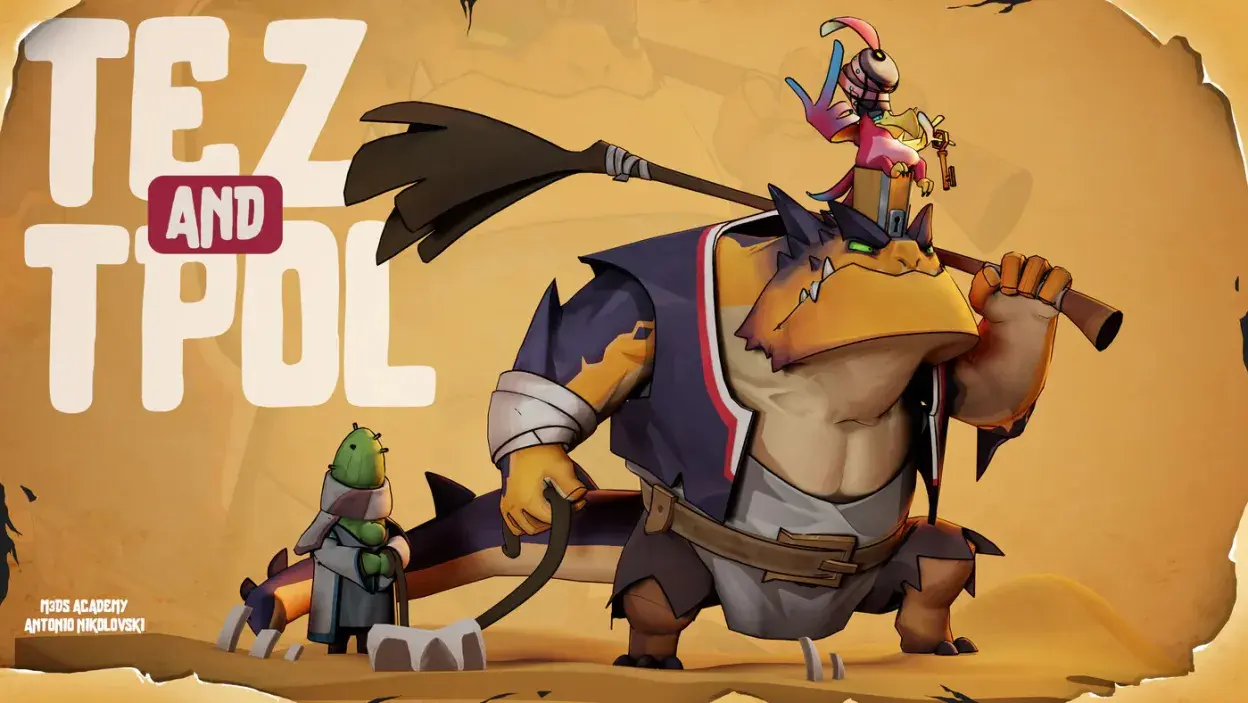
- Introduction to stylized characters
Beginners are encouraged to start with stylized or low-detail characters before moving into realistic human models.
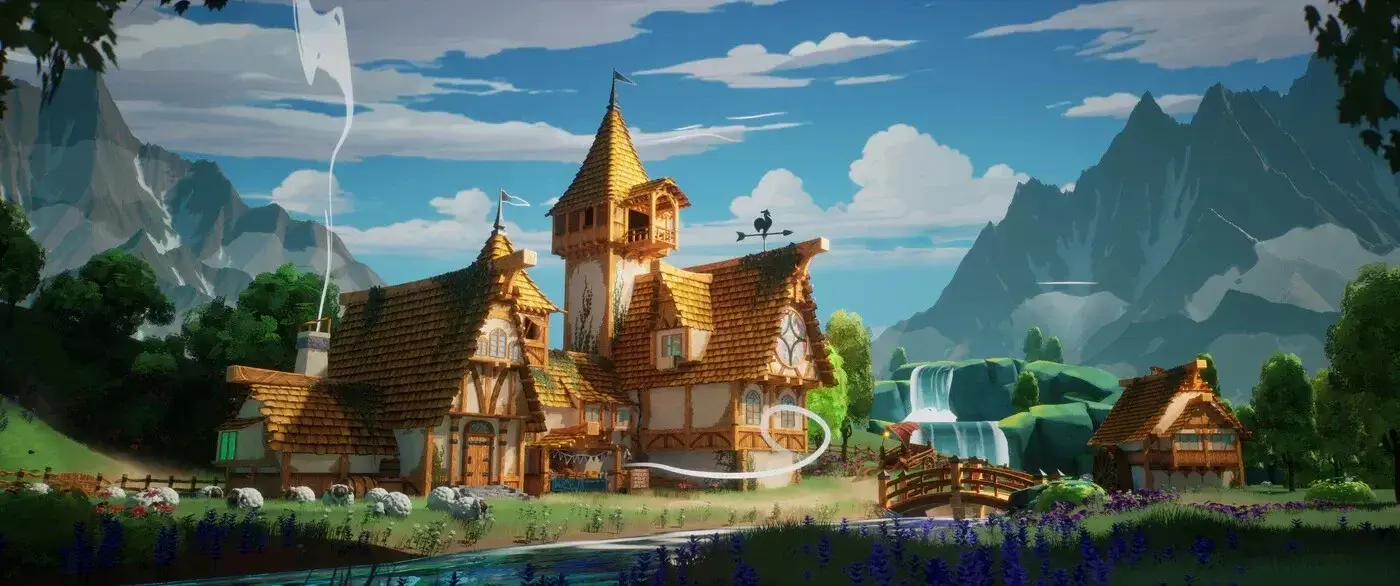
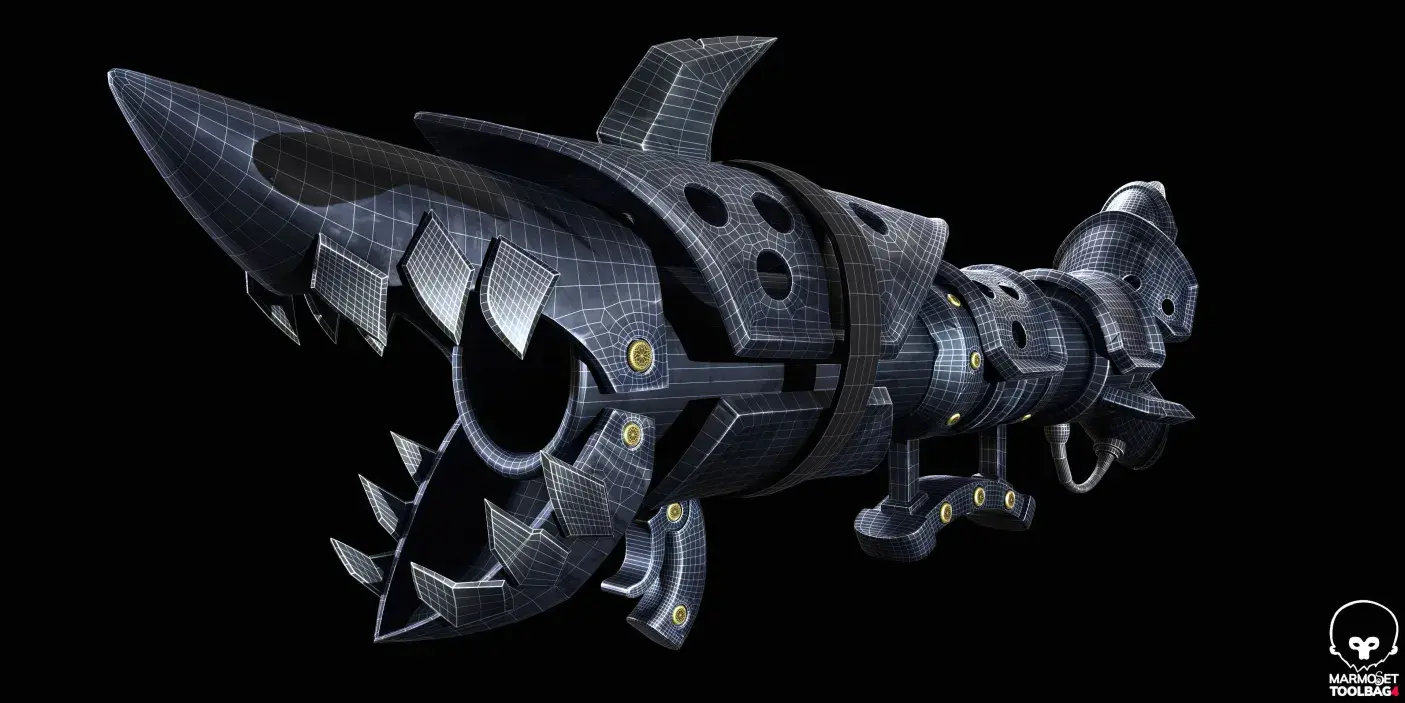
5. Environment and Props Modeling Courses
Environment and prop modeling courses are highly recommended for beginners because they focus on objects rather than anatomy.
These courses cover:
- Hard-surface modeling
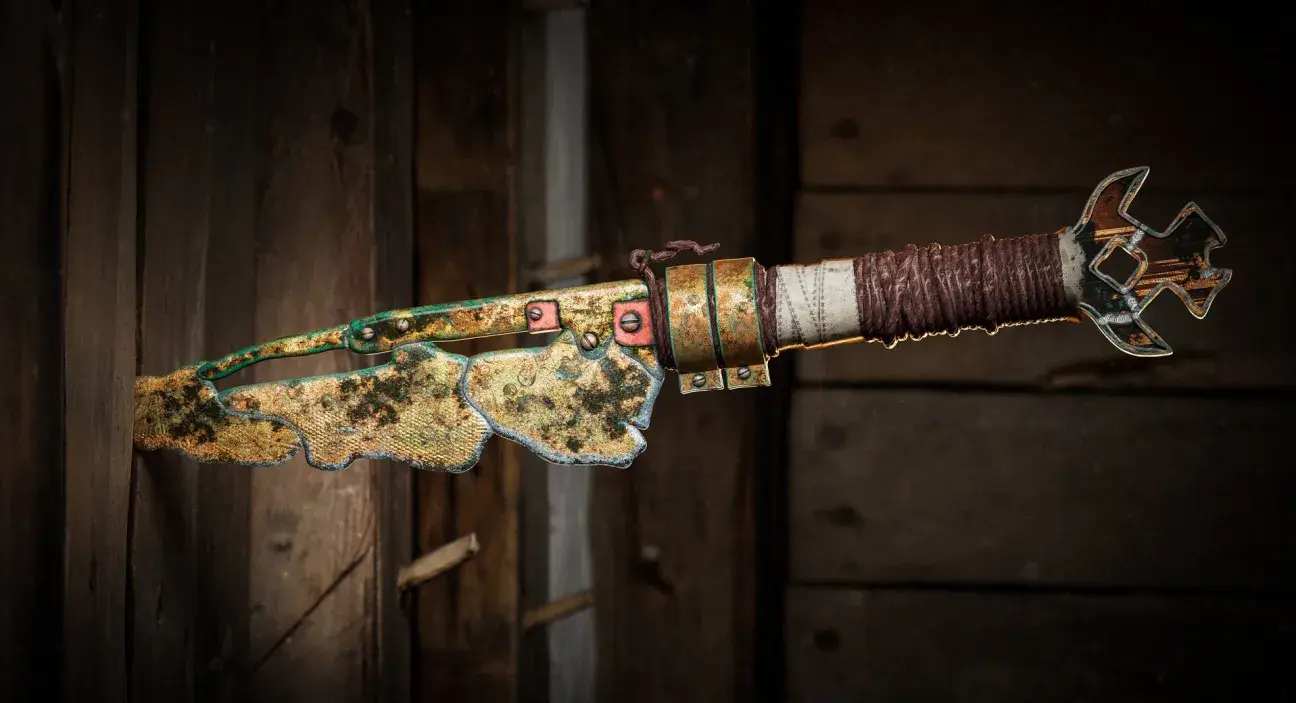
- Props like furniture, vehicles, and weapons
- Modular environment design
- Scene composition basics
Environment modeling builds a strong modeling discipline and is often used in games, animation, and architectural visualization.
Get to know: 10 Theme Ideas for Your Next Unreal Environment Project
6. 3D Texturing and Materials Courses (Beginner Level)
Modeling alone is not enough—textures and materials bring models to life. Beginner texturing courses introduce learners to essential surface details.
Topics include:
- UV unwrapping fundamentals
- PBR material workflows
- Texture painting basics
- Introduction to tools like Substance Painter and Quixel Mixer
Many beginner modeling courses now integrate texturing to give learners a complete workflow experience.
7. 3D Modeling for Animation and VFX (Intro Courses)
Some beginners aim to work in animation or VFX studios. Intro-level courses in this category focus on preparing models for animation pipelines.
They teach:
- Clean topology for deformation
- Scale and proportion standards
- Basic scene setup
- Understanding studio workflows
These courses are best for beginners who plan to continue into rigging, animation, or cinematic production.
8. Career-Oriented 3D Modeling Programs
Unlike short courses, career-oriented programs offer structured, long-term learning paths. These programs usually start from beginner level and gradually move to advanced production skills.
They include:
- Step-by-step curriculum
- Mentorship and feedback
- Industry-style projects
- Portfolio development
M3DS Academy Career Programs
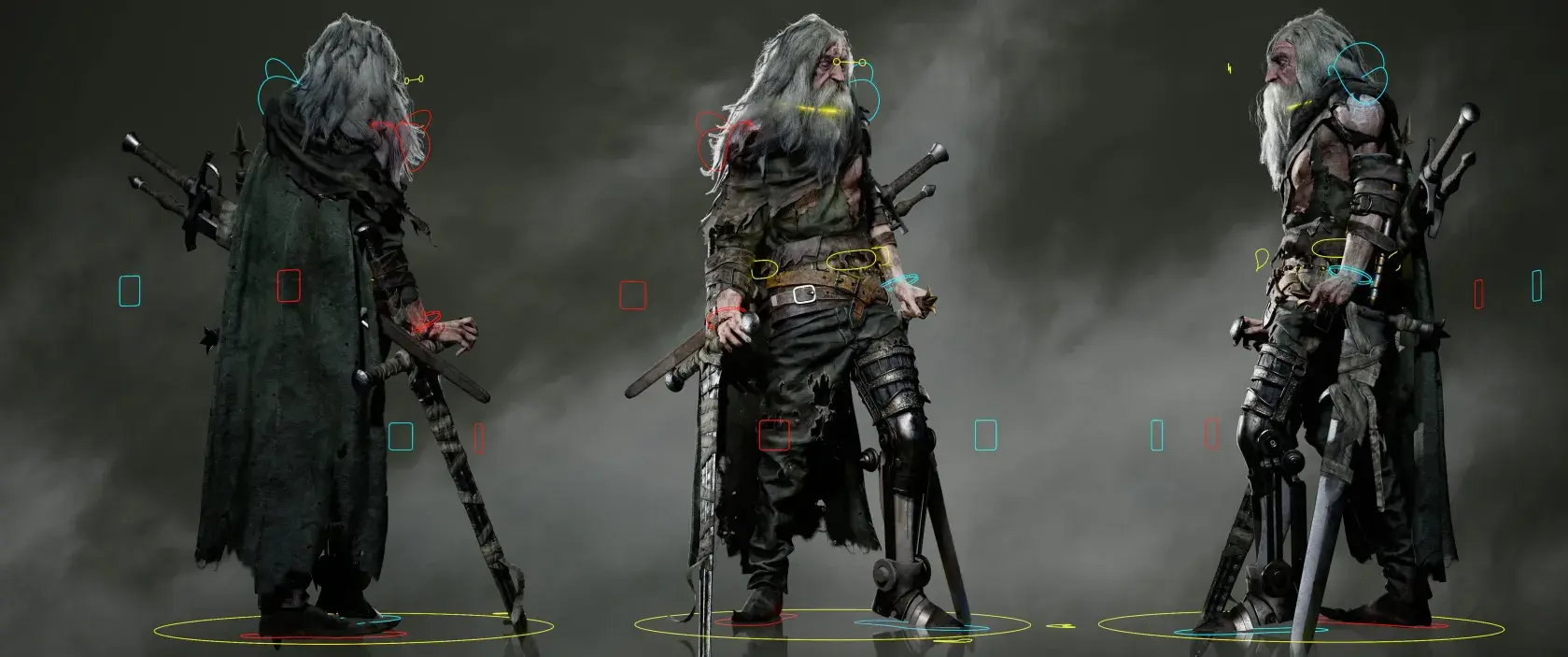
M3DS Academy offers structured, long-term learning programs through its Academy Year 1 to Year 4 curriculum. Year 1 focuses on core CG and 3D fundamentals, while Year 2 introduces specialization in modeling, texturing, and asset creation.
Year 3 moves into professional production workflows, and Year 4 concentrates on Unreal Engine, game development, and cinematic pipelines. Such multi-year programs are suited for beginners who prefer a guided, career-focused learning path over short, standalone courses. Start your 3D journey with M3DS Academy today.
9. Project-Based and Short Practice Courses
Short project-based courses help beginners gain confidence quickly. These courses focus on completing a single model or small project from start to finish.
Benefits include:
- Faster learning through practice
- Clear sense of achievement
- Better understanding of workflows
These courses work best when combined with foundational learning.
10. Free vs Paid 3D Modeling Courses Online
Beginners often wonder whether they should start with free courses or invest in paid ones.
Free Courses:
- Good for exploration
- Limited structure and feedback
Paid Courses:
- Structured learning paths
- Instructor or mentor support
- Industry-focused workflows
- Better for career preparation
For beginners who want consistent progress and hands-on experience, structured paid courses are often a more effective way to build strong 3D modeling skills from the start.
Related Articles:
10 Mistakes to Avoid in Character Design
Choosing the Right 3D Modeling Course as a Beginner
The best 3D modeling online course for beginners depends on your goals. If you want to explore 3D casually, short software-specific or free courses are a great start. If your goal is to build a professional career in games, animation, or VFX, structured foundation programs and career-oriented academies provide better long-term value.
Courses that focus on strong fundamentals, real-world workflows, and hands-on projects help beginners move confidently from understanding basic 3D concepts to developing practical, job-ready skills. A structured learning approach makes it easier to build consistency, avoid common beginner mistakes, and progress toward more advanced areas of 3D modeling.
No matter which path you choose, consistency, practice, and guided learning are the keys to success in 3D modeling.