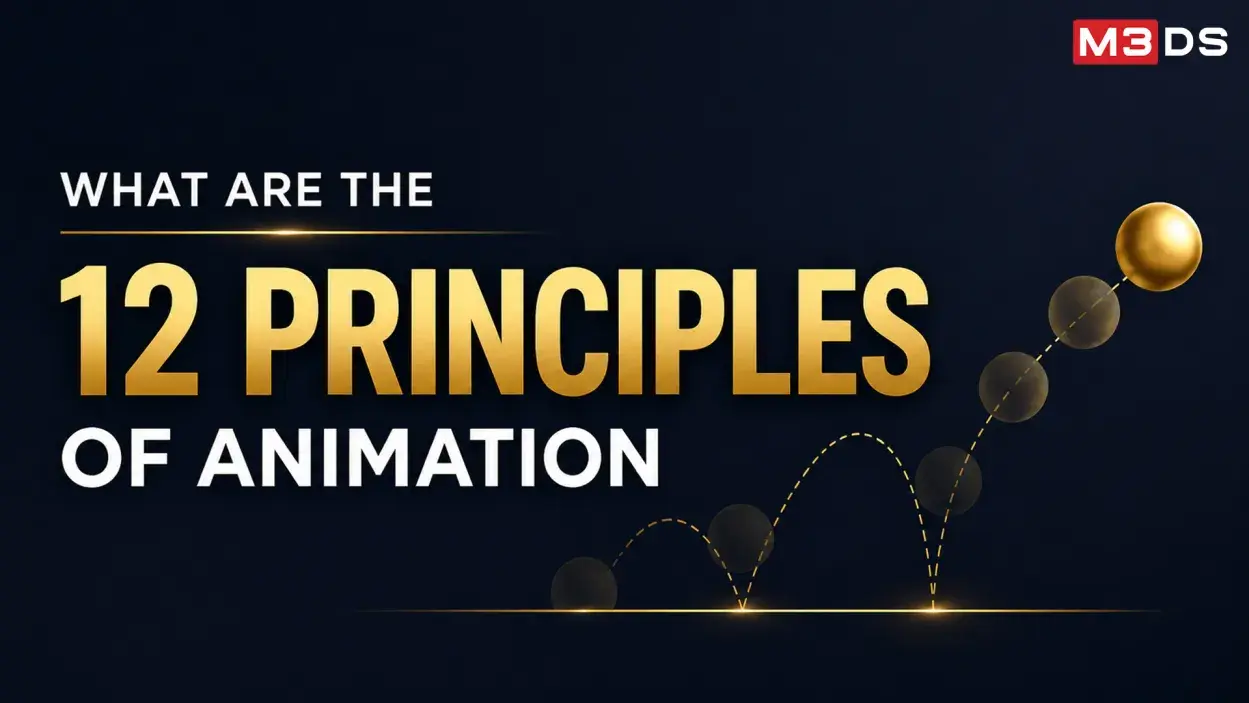
What Are The 12 Principles of Animation
Animation is not just about moving characters on a screen. Great animation brings characters to life, adds emotion, and makes every movement feel believable and engaging. Whether you watch animated films, video games, advertisements, or short online videos, smooth, engaging movement keeps viewers connected to the story.
The foundation of all professional animation comes from the 12 Principles of Animation. These principles were developed by legendary Disney animators Ollie Johnston and Frank Thomas to create realistic and appealing motion. Even today, these principles are used in 2D animation, 3D animation, game design, VFX, and motion graphics.
If you are planning to become an animator, understanding these principles is one of the most important steps in your learning journey.
Why Are the 12 Principles of Animation Important?
Many beginner animations look stiff or unnatural because they lack proper motion techniques. The 12 principles help animators create movement that feels smooth, dynamic, and realistic.
These basic principles of animation improve:
- Character movement
- Visual storytelling
- Acting and expressions
- Realistic motion
- Audience engagement
Even with advanced software like Maya, Unreal Engine, or Blender strong animation fundamentals remain the key to great animation.
Get to know: What Is an Animation Pipeline? Complete Beginner Guide
12 Animation Principles Every Animator Should Know
Every professional animator uses these principles to improve motion, storytelling, timing, and character performance. Understanding them helps beginners build a strong foundation for animation and game art careers.
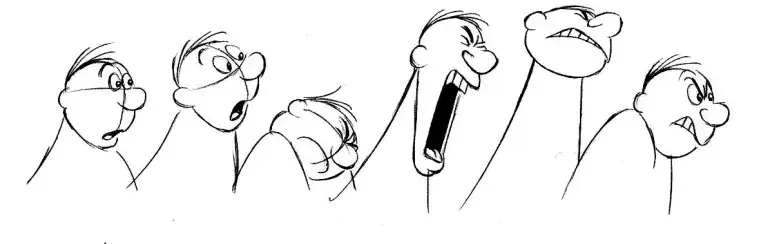
Image credits to https://blog.cg-wire.com/
1. Squash and Stretch
Squash and Stretch is one of the most important principles in animation. It gives objects and characters a sense of weight, flexibility, and life.
For example, when a ball hits the ground, it squashes. When it bounces upward, it stretches. This creates a more realistic and appealing movement.
The key is to maintain the object’s overall volume while changing its shape.
Why It Matters
- Moves look natural
- Adds energy and flexibility
- Helps show impact and speed
This principle is commonly used in character animation, cartoon animation, and action scenes.
2. Anticipation
Anticipation prepares the audience for an upcoming action. Before a character jumps, they usually bend their knees first. Before throwing a punch, the arm moves backward slightly.
These small preparation movements make actions easier to understand and more believable.
Examples of Anticipation
- A runner leaning before sprinting
- A character pulling back before throwing
- A player crouching before jumping
Without anticipation, actions can feel sudden and confusing.
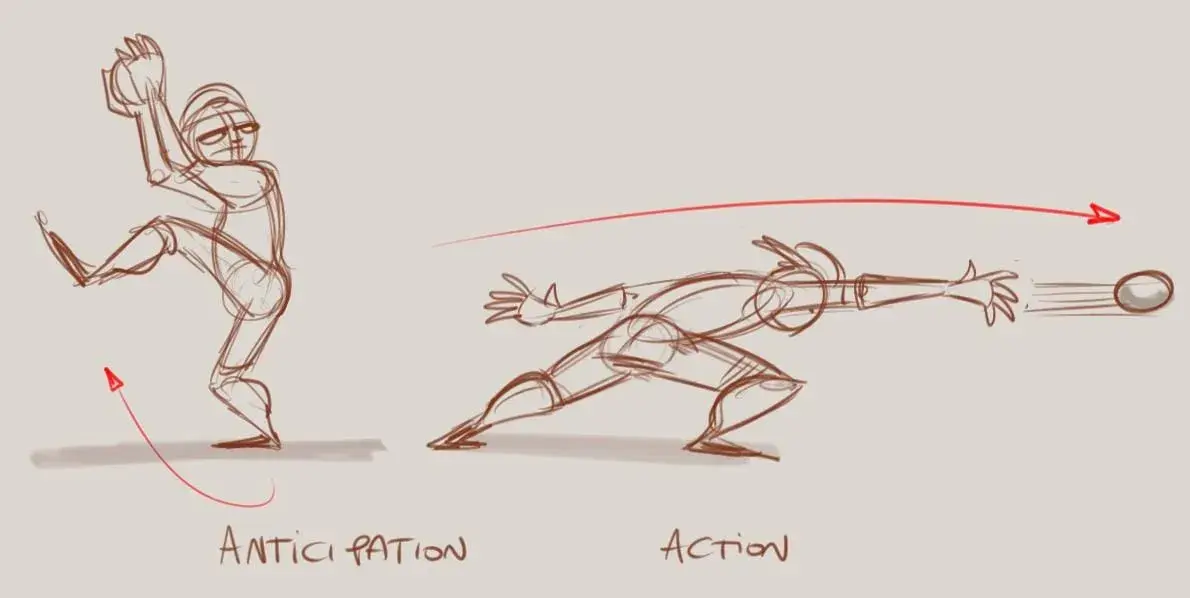
Image credits to https://blog.cg-wire.com/
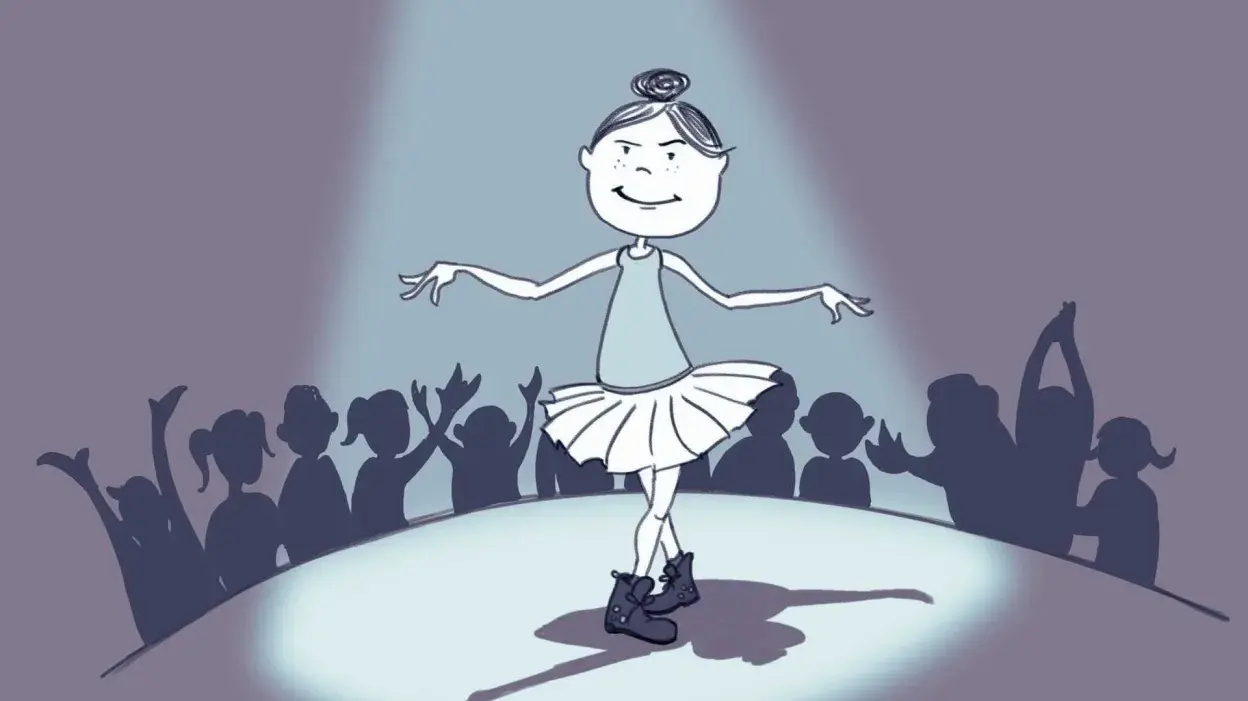
Image credits to https://blog.cg-wire.com/
3. Staging
Staging is about presenting an idea clearly to the audience. It helps viewers focus on the most important action or emotion in a scene.
Good staging uses:
- Camera angles
- Character poses
- Lighting
- Composition
- Timing
Good staging helps the audience instantly understand the most important action or emotion in a scene.
Why Staging Is Important: Strong staging improves storytelling and makes animation more visually effective.
4. Straight Ahead Action and Pose to Pose
These are two different animation techniques.
Straight Ahead Action
The animator creates movement frame by frame from start to finish. This method creates more fluid and spontaneous motion.
Pose to Pose
The animator first creates major key poses and then fills in the in-between frames later.
Difference Between Both
- Straight Ahead = more dynamic and natural
- Pose to Pose = more controlled and planned
Professional animators often combine both methods depending on the project.
5. Follow Through and Overlapping Action
In real life, different body parts move at different speeds. When a character stops running, their hair, clothes, or accessories continue moving slightly.
This is called Follow Through.
Overlapping Action means different parts of the body move at different times instead of all together.
Examples
- Hair swinging after movement
- Loose clothing continuing motion
- Animal tails moving naturally
These details make the animation feel realistic and less mechanical.
Note: Realistic movement also depends heavily on strong rigging systems that allow characters to move naturally during animation.
To understand this in depth, read What Is Rigging in Animation? Why It’s the Backbone of Modern Animation Pipelines
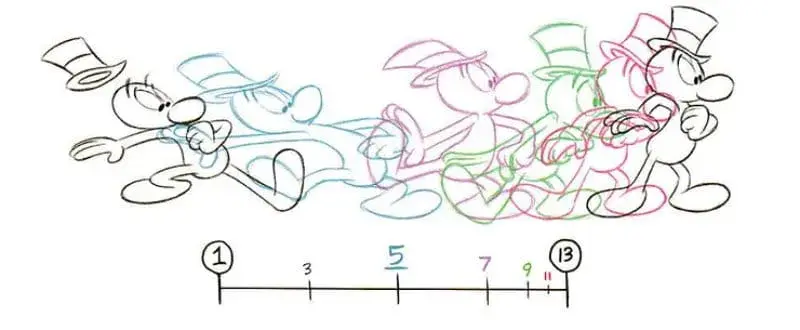
Image credits to https://blog.cg-wire.com/
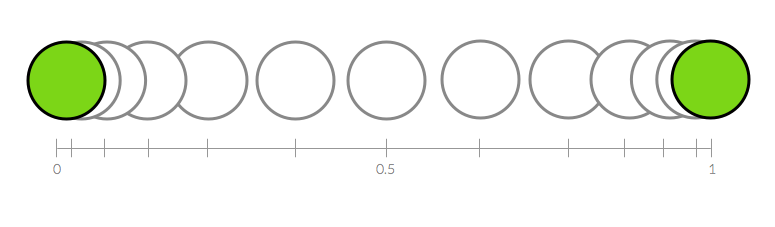
Image credits to https://blog.cg-wire.com/
6. Slow In and Slow Out
Objects in real life rarely start or stop instantly. Movement usually begins slowly, speeds up, and then slows down again.
This principle is called Slow In and Slow Out.
Animators create this effect by adding more frames at the beginning and end of an action.
Benefits
- Creates smoother motion
- Makes movement more believable
- Adds realism to character animation
This principle is widely used in both realistic and stylized animation.
7. Arc
Most natural movements follow curved paths instead of straight lines. Human arms, head movements, and body motion usually move in arcs.
Animation becomes more natural when actions follow curved motion paths.
Examples of Arc Movement
- Swinging arms
- Turning heads
- Jumping motion
- Walking cycles
Ignoring arcs can make animation appear stiff and unnatural.
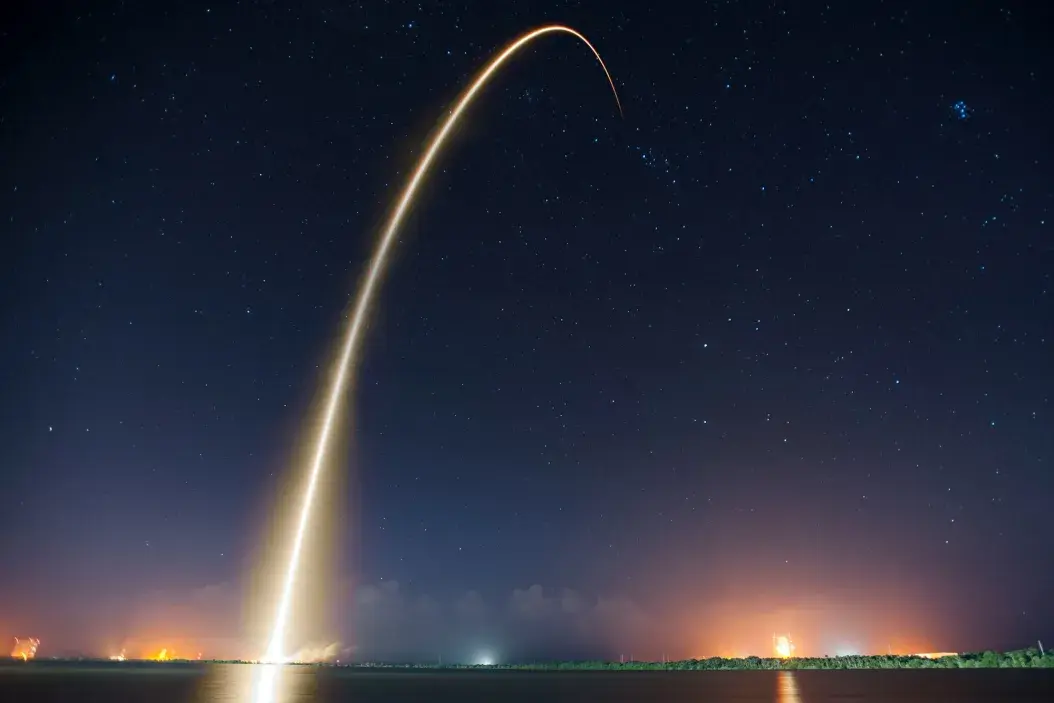
Image credits to https://blog.cg-wire.com/
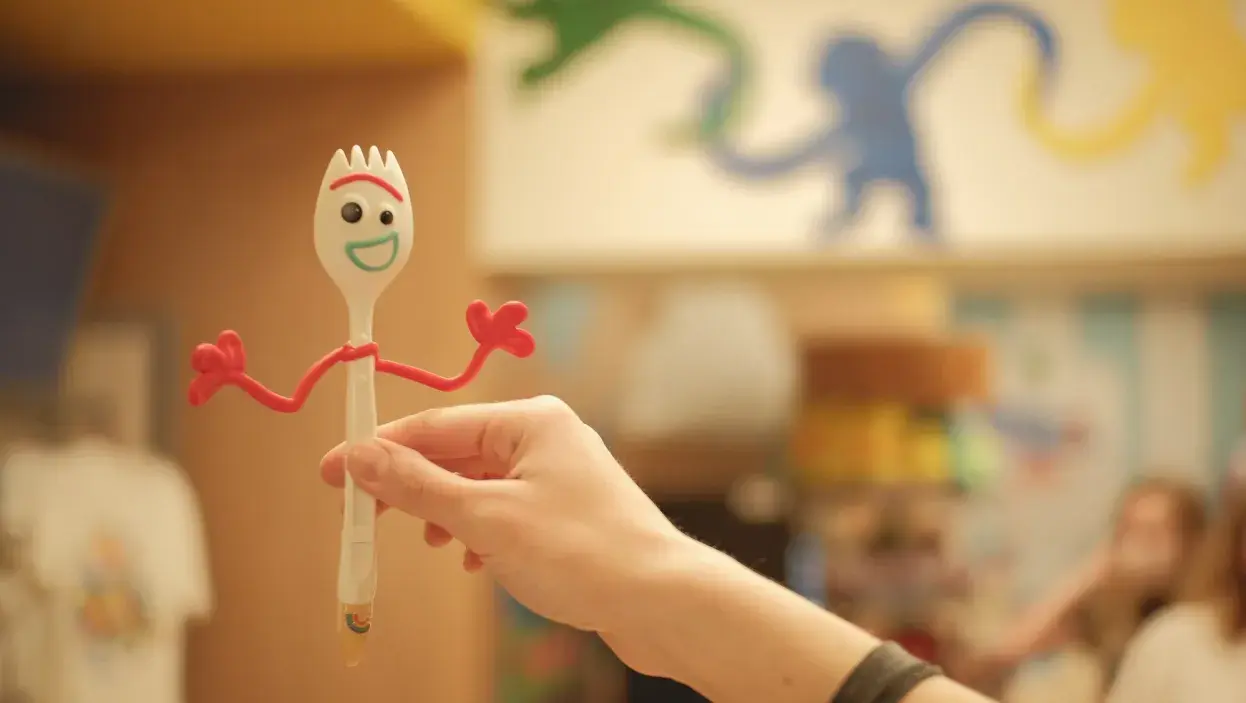
Image credits to https://blog.cg-wire.com/
8. Secondary Action
Secondary Action supports the main action and adds more depth to the scene.
For example:
- A character walking while whistling
- Talking while using hand gestures
- Smiling while running
The main action remains the focus, while the secondary action enhances personality and emotion.
Why It Matters: Secondary actions help characters feel more alive and expressive.
9. Timing
Timing controls the speed and rhythm of movement in animation. It affects how heavy, fast, emotional, or powerful an action feels.
Fast timing can create exciting action scenes, while slower timing helps create emotional or dramatic moments. Good timing also helps define a character’s personality and movement style.
Professional animators carefully control timing to create movement that feels natural, believable, and emotionally effective.
Check out: Choosing the Best Online 3D Animation School for Your Career
10. Exaggeration
Exaggeration pushes actions, expressions, and poses further to make them more entertaining and visually appealing.
This does not mean making animation unrealistic. Instead, it means enhancing movements in a controlled way.
Examples
- Bigger facial expressions
- Stronger action poses
- More dramatic reactions
Exaggeration is especially important in cartoon animation and stylized character work.
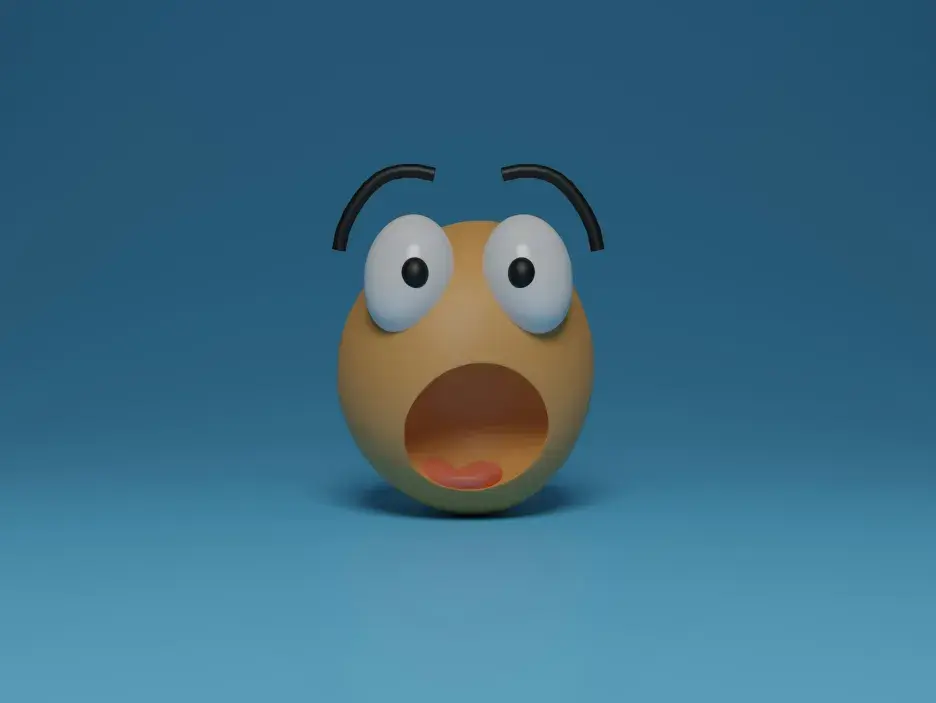
Image credits to https://blog.cg-wire.com/
Image credits to https://blog.cg-wire.com/
11. Solid Drawing
Solid Drawing focuses on creating characters with proper balance, anatomy, perspective, and weight. It helps animators create believable poses and maintain consistency during movement.
Even in modern 3D animation, understanding anatomy, balance, perspective, and form is essential for creating believable character poses and movement.
12. Appeal
Appeal means making characters and scenes interesting to watch. Appealing characters are memorable, expressive, and visually engaging.
Appeal is not only about beauty. Villains, monsters, and creatures can also have strong appeal if their designs and movements are engaging.
What Creates Appeal
- Clear design
- Strong expressions
- Good posing
- Unique personality
Appeal helps audiences emotionally connect with animated characters.
Related Articles:
3D Artist Roadmap: Beginner to Professional
Image credits to https://blog.cg-wire.com/
Start Your Professional Animation Journey with M3DS Academy
Learning these principles is an important step for anyone who wants to build a career in animation and game art. At M3DS Academy, we focus on helping students develop strong animation fundamentals before moving to advanced production workflows and professional software.
Our training combines animation fundamentals with industry-standard tools like Maya and Unreal Engine to help students build practical, production-ready skills for animation and game development careers.
If you want to start your journey in animation, game art, or 3D content creation, explore our programs and begin building industry-ready creative skills with M3DS Academy.