
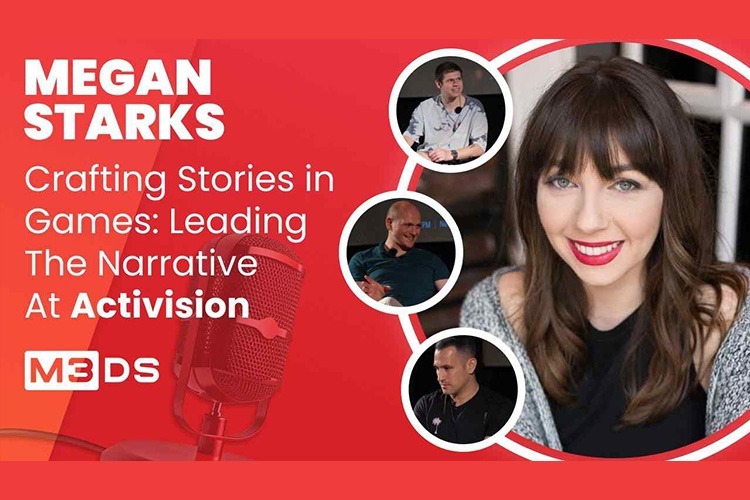

Exploring the Art of Narrative Design with Megan Starks
The M3DS Academy podcast is thrilled to bring you an in-depth conversation with Megan Starks, an accomplished narrative designer and industry professional known for her exceptional work in game development. Hosted by Stefan Mitrov, Simon Zafirovski, and Joseph Rubino, this episode explores the nuances of character creation and the critical role narrative design plays in creating immersive gaming experiences.
The Importance of Empathy in Character Design
One of the main themes Megan discusses is the importance of empathy in character design. She explains that for players to connect with characters, they need to understand their motivations and choices.
As Megan explains, if players do not understand why a character behaves a certain way, they may simply become frustrated or disconnected from them. Creating believable motivations is essential for making characters feel authentic and engaging.
Megan also discusses the difference between heroes and villains, explaining that the distinction often comes down to the choices they make while pursuing their goals. A hero may want to protect their loved ones but refuses to harm innocent people, while a villain might be willing to destroy everything in order to achieve the same goal.
These complex motivations create memorable characters that players can understand, even when they disagree with their actions.
Crafting Characters for a Global Audience
When discussing character creation for a worldwide audience, Megan highlights the importance of focusing on universal human experiences. Although cultures differ, emotions such as love, ambition, fear, and the desire to provide for family are experiences shared across the world.
By building characters around these universal themes, developers can create stories that connect with players from different backgrounds.
Megan also discusses the importance of user research during early development stages. Studying target audiences helps developers understand player expectations while still maintaining a broader emotional connection.
Successful games balance cultural awareness with themes that feel universally relatable.
The Evolution of Narrative Design in Gaming
The conversation explores how narrative design has evolved throughout gaming history. Earlier role-playing games often relied heavily on text, allowing players to slowly explore stories like reading a novel.
Modern games, however, often aim for cinematic experiences with faster pacing, voice acting, and movie-like storytelling.
Megan explains that narrative designers must first understand the intended emotional experience before deciding how a story should be presented. Whether a game aims to create a slow, immersive journey or an intense cinematic adventure, the writing needs to support the overall vision.
Pre-Production and Vision Sharing: Keys to Success
A major part of the discussion focuses on the importance of pre-production and maintaining a shared creative vision throughout development.
Megan and the hosts highlight Hellblade II: Senua’s Saga as an example of how a focused team with a clear direction can create outstanding results, even without the resources of the largest studios.
According to Megan, successful game development does not always require thousands of people. Instead, it requires a passionate team that understands the project’s goals and works together toward the same vision.
The Role of Leadership in Game Development
Leadership is essential for maintaining consistency and direction during game development. Megan emphasizes that creative leaders need to communicate their vision clearly and ensure that every member of the team understands the intended outcome.
Without alignment, projects can become a collection of disconnected ideas rather than a unified experience.
Strong leadership helps teams stay motivated, prevents creative confusion, and allows everyone involved to contribute toward creating something meaningful.
Narrative Design: Advice for Aspiring Creatives
Toward the end of the conversation, Megan shares advice for people hoping to enter the gaming industry or advance their creative careers.
She highlights persistence and determination as essential qualities, reminding aspiring creators that rejection is a normal part of any creative career.
Even highly talented professionals experience setbacks, but continued learning, improvement, and dedication can eventually lead to success.
Megan’s experience serves as inspiration for anyone passionate about storytelling, character development, and game creation.
Watch the Podcast on YouTube here:
Conclusion: Narrate Your Designs
The M3DS Academy podcast episode with Megan Starks provides valuable insights into narrative design, character creation, and storytelling in video games.
From understanding empathy and universal emotions to developing strong creative visions, Megan’s expertise offers guidance for both aspiring and experienced game developers.
Tune in to the full episode to discover more about creating characters that connect with players around the world. You can also explore our recommended article: Gaming Insights: Industry Leaders Valuation And Expectations.
Ready to start your career in game development? M3DS Academy offers comprehensive learning paths designed for different experience levels.
Explore our academy programs for complete skill development, choose individual courses to focus on specific skills, or learn directly from experts through our masterclasses.
Learn professional game design techniques, explore specialized areas of development, and gain insights from experienced industry professionals.
Visit our Enrollment & Funding page to learn more about applications, eligibility requirements, and available financial assistance options.
Turn your passion for gaming into a professional career. Apply now and begin your journey with M3DS Academy.