

Real-time 3D Artist: Virtual Production for Film
Artists who work in 3D in real time are experts at creating assets and interactive content – all of which can be rendered immediately. This ability is invaluable in industries like virtual production, gaming, and filmmaking. These professionals now play key roles throughout entire projects, working closely with developers and filmmakers to ensure their visuals fit the broader creative vision.
What does a film real-time 3D artist do?
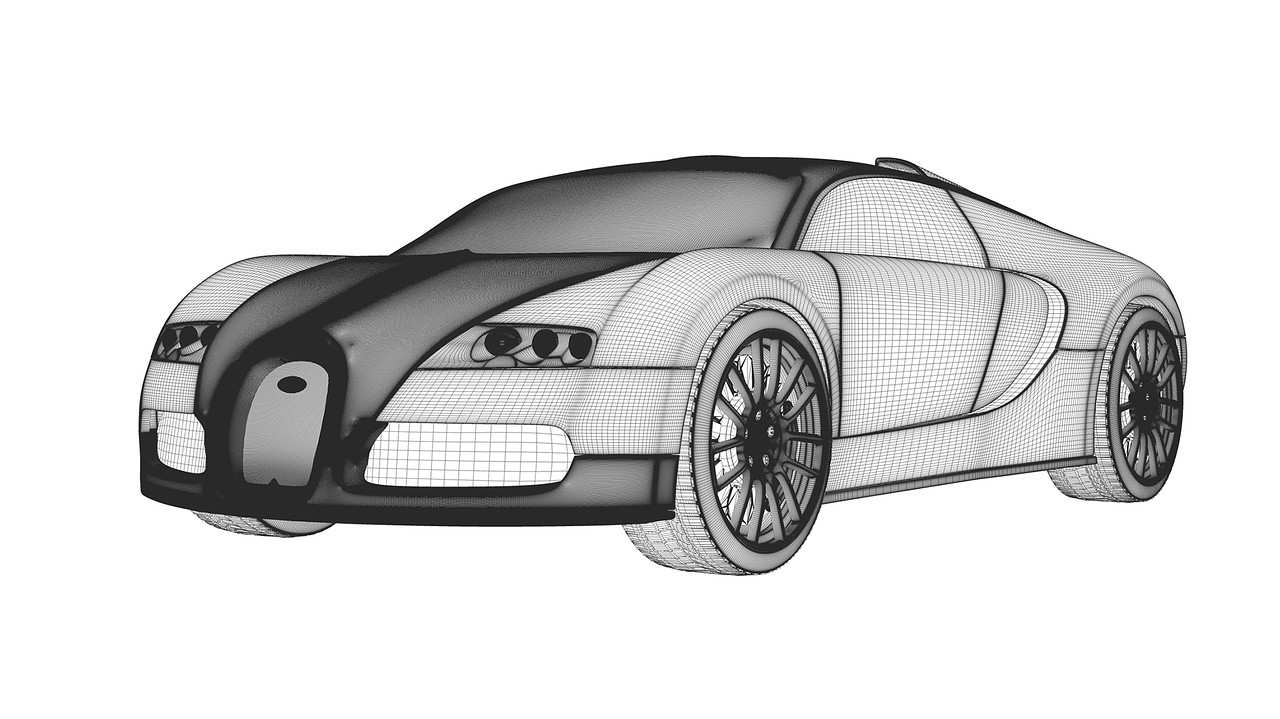
Real-time artists working in 3D have to maintain the quality and optimization of visuals, from large environments to complex 3D assets such as props and characters. They use advanced techniques in lighting, texturing, and visual effects to create content that looks impressive while maintaining performance.
What is Virtual Production?
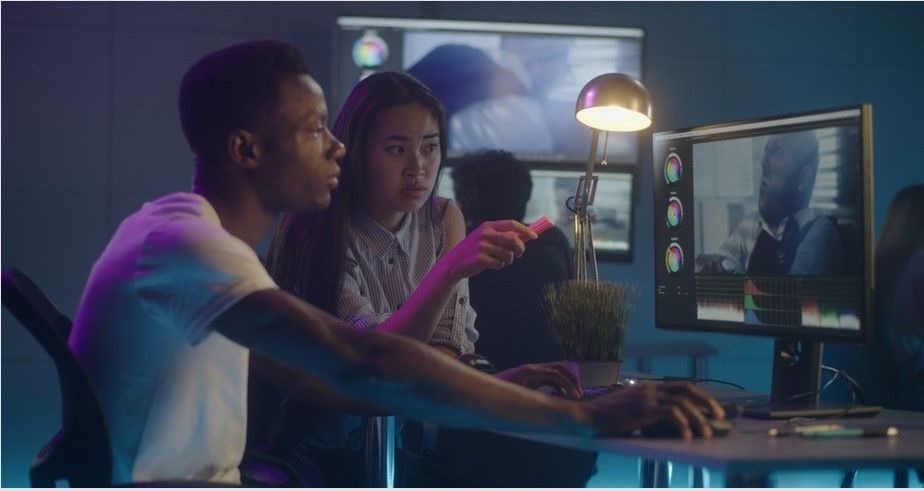
Traditional filmmaking is being transformed by virtual production because it allows creators to see computer-generated environments and effects while filming. Unlike traditional workflows where most effects are added after production, virtual production enables digital elements to be created beforehand or integrated during filming.
Film Real-Time 3D Artist Job Description
Real-time artists working in the film industry use advanced game engines like Unreal Engine to create 3D content and assets that look great and run smoothly. They design everything from complete digital environments to individual objects used within virtual sets.
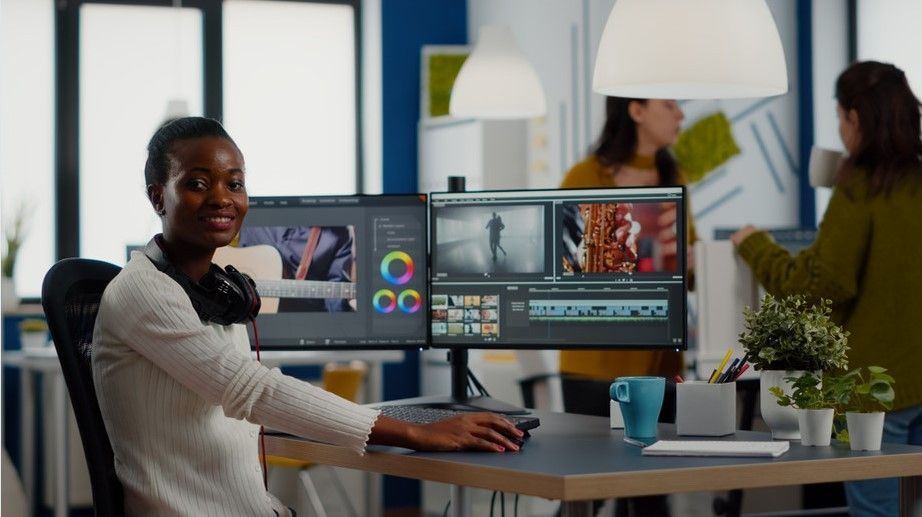
Role & Responsibilities of a Real-Time 3D Artist in Virtual Production for Film and TV
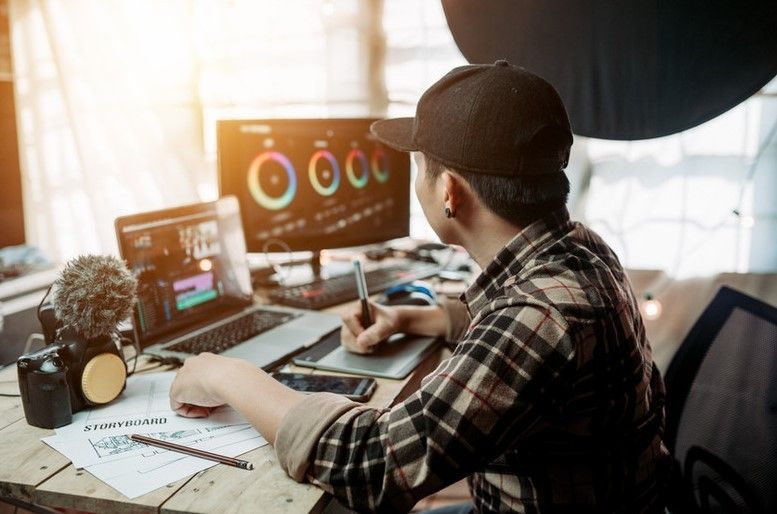
Real-time artists are pivotal in virtual production, combining artistic and technical skills to create immersive experiences. Their responsibilities include:
- Mockup concepts and adjust as directed: Develop initial concepts and refine them according to the director’s vision, ensuring alignment with project goals.
- Work with the Director and Real-time team to design interactive experiences using a game engine: Collaborate with directors and production teams using engines like Unreal Engine or Unity.
- Worldbuilding (create and layout assets in a real-time engine): Build and arrange digital assets within a real-time environment to create immersive worlds.
- Light scenes for a better cinematic experience: Apply lighting techniques to achieve the desired visual atmosphere.
- Optimize content through profiling and enhancing performance: Improve performance using diagnostic and optimization tools.
- Collaborate with programmers: Develop and test features, prototype shader code, and provide feedback during research and development phases.
Skills Required to Become a Film Real-Time 3D Artist
Breaking into real-time artistry requires strong technical knowledge and experience with game engines such as Unreal Engine or Unity.
- Proficiency in a game engine such as Unreal or Unity: Understanding these platforms is essential for modern virtual production workflows.
- Coding knowledge: Familiarity with languages such as Python or C++ can help create and manipulate assets efficiently.
- Technical tool expertise: Knowledge of real-time rendering tools and workflows is crucial.
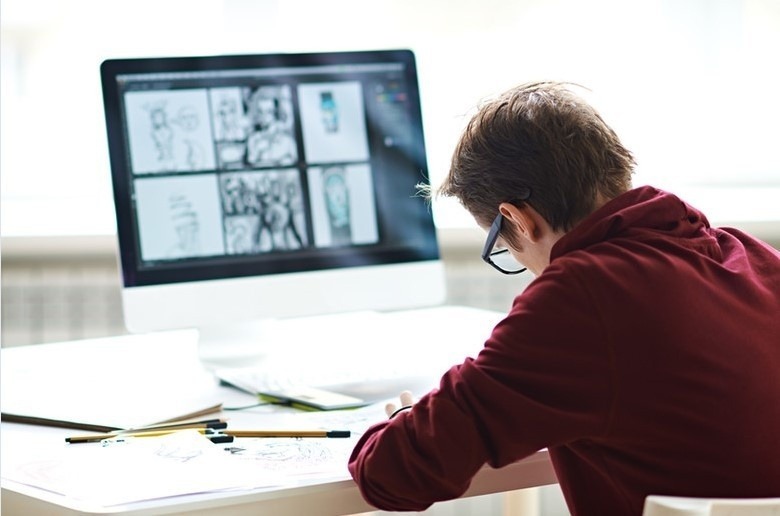
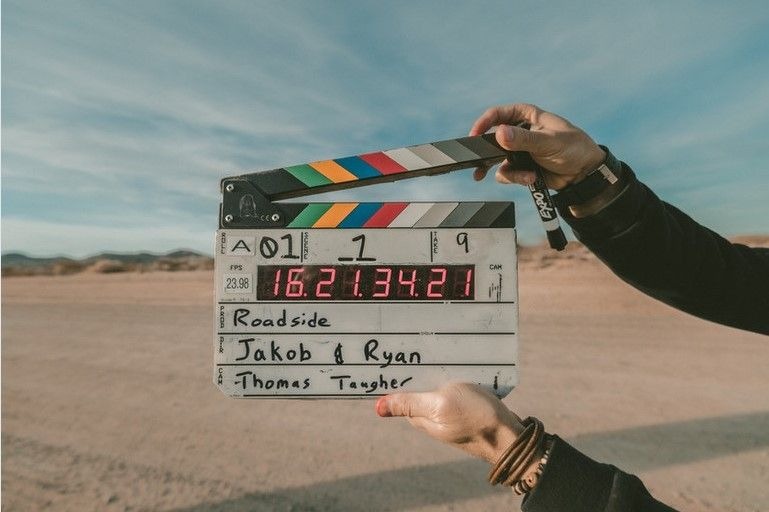
Skills Film Studios May Look for in a Real-Time Artist for Film
When hiring a real-time artist for film production, studios typically seek candidates with the following skills:
- Experience in a real-time engine: Proficiency in Unreal Engine or Unity is essential for virtual production.
- Real-time ready asset creation: Ability to create and optimize props, characters, and environments for real-time rendering.
- Texture and shader knowledge: Understanding materials, textures, and shaders for realistic visuals.
- Understanding of animation, rigs, and anatomy: Knowledge needed for believable character creation and movement.
- Scripting knowledge: Familiarity with MEL, Python, C#, or JavaScript helps automate workflows.
- Understanding cameras and cinematography: Knowledge of camera settings and composition for virtual scenes.
- Film production knowledge: Understanding scripts, concepts, sets, storyboards, and production pipelines.
What software and tools do real-time 3D artists use?
Real-time artists should focus on learning a game engine while also developing strong artistic fundamentals. Knowledge of multiple software tools helps them adapt to different production environments.
Real-time 3D artists may need knowledge of a combination of the following software:
- Unreal Engine
- Maya
- Substance Painter
- Unity
- Motionbuilder
- World Creator
- QuadSpinner Gaea
- Blender
- Houdini
Conclusion
If you have a passion for art and technology, becoming a real-time 3D artist for virtual production could be a great career move. The industry is growing as more TV shows and films use real-time rendering, making this an exciting time to develop these skills.
Visit the academy programs section to explore available learning paths. Our courses are useful for developing specific skills, while our masterclasses provide insights from industry professionals.
Before applying, learn more about fees and requirements through enrollment & finance. Start your journey today by joining M3DS Academy.