
What Is the Difference Between CGI and 3D Animation?
If you’ve ever watched a superhero movie, played a modern video game, or seen a stunning animated film, chances are you’ve heard the terms CGI and 3D animation. People often use them interchangeably, but they’re not exactly the same thing.
This confusion is incredibly common, especially for beginners exploring the world of digital art, animation, visual effects, or game development. While CGI and 3D animation are closely connected, they serve different purposes in the creative pipeline.
So, what exactly separates them? And why does understanding the difference matter for aspiring artists, animators, filmmakers, and gamers?
Let’s break down the difference between CGI and animation in the simplest way possible.
What Is CGI?
CGI stands for Computer-Generated Imagery. It refers to any visual content created using computer software instead of traditional physical methods. CGI is widely used in films, television, video games, architecture, medical simulations, product advertising, and virtual reality experiences.
CGI can include:
- Digital environments
- Special effects
- Virtual characters
- Background enhancements
- Explosions, weather, and simulations
- Digital objects added to live-action footage
The main goal of CGI is to create visuals that may be difficult, expensive, or impossible to produce in real life.
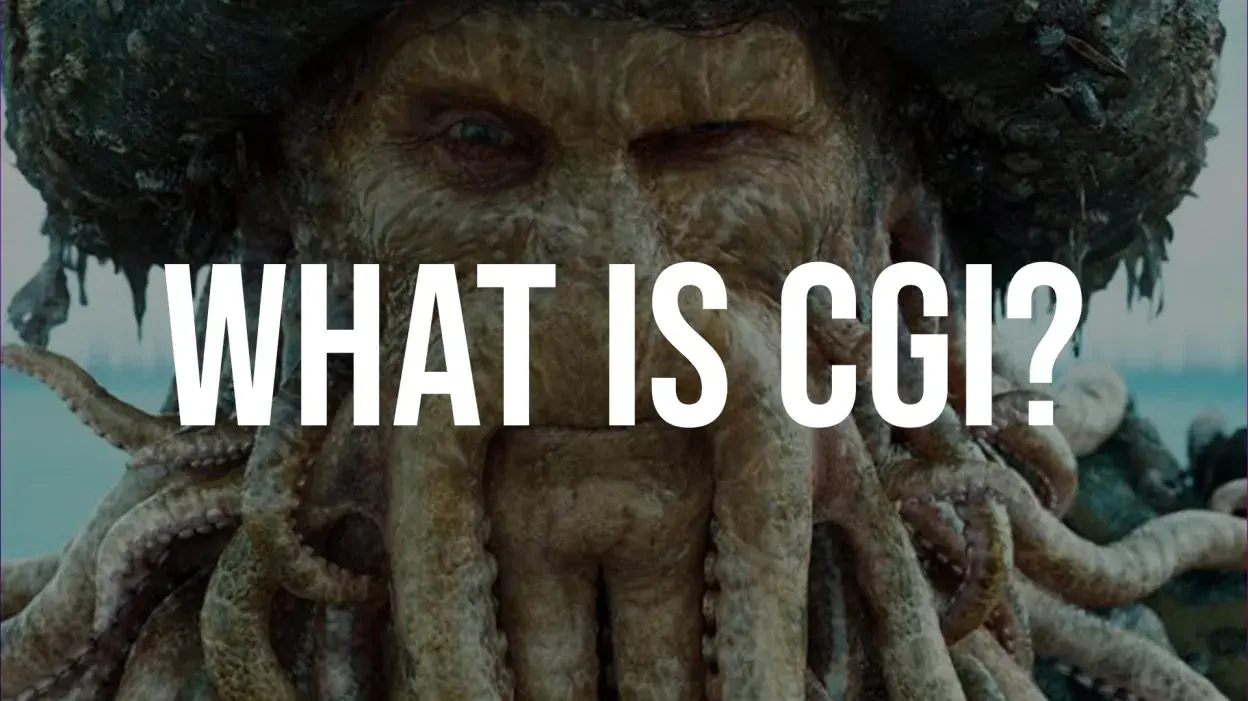
For example, superhero movies often use CGI to create flying scenes, futuristic cities, or massive action sequences. Animated creatures in fantasy films are also commonly produced using CGI techniques.
CGI can be either static or moving. A still 3D product render for advertising is CGI, while a visual effects scene in a movie is also CGI.

What Is 3D Animation?
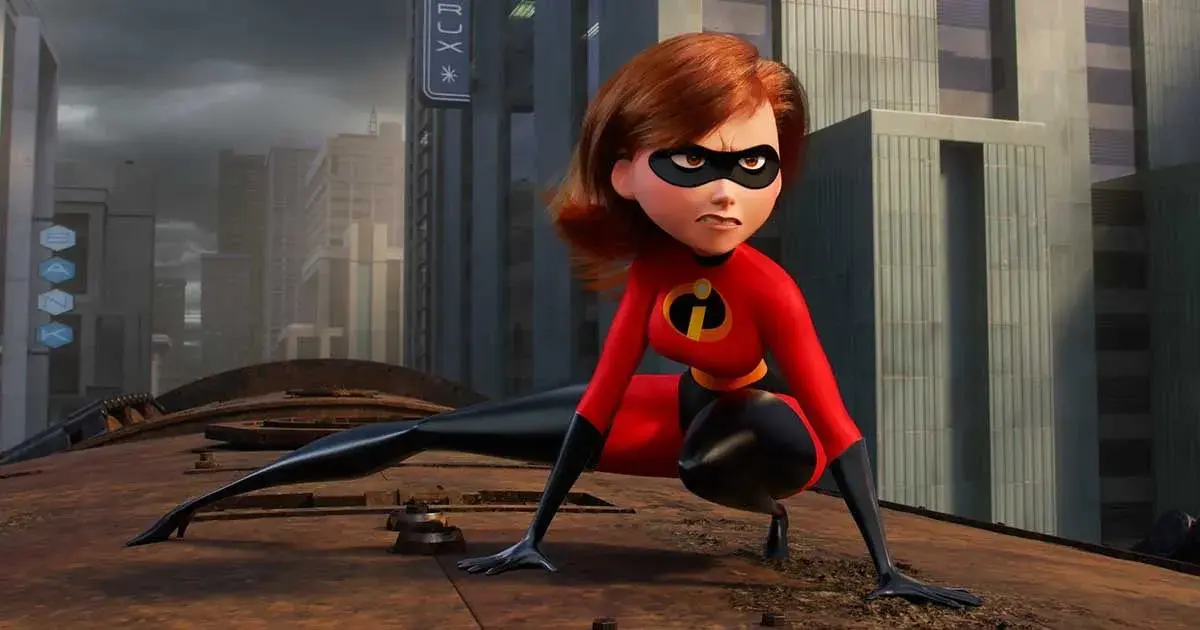
3D animation is a process used to create moving objects and characters inside a three-dimensional digital environment. It involves building models, adding textures, creating movement, and generating realistic or stylized motion.
Unlike traditional 2D animation, which uses flat drawings, 3D animation creates depth, volume, and realistic perspective.
The 3D animation process usually includes:
Animators manipulate digital characters and objects frame by frame to create movement. These animations can appear realistic, cartoon-like, futuristic, or artistic, depending on the project style.
3D animation is commonly used in:
- Animated films
- Video games
- Explainer videos
- Product demonstrations
- Medical visualization
- Virtual tours
- Educational content
Movies from major animation studios are excellent examples of full 3D animation projects.
Is 3D Animation Part of CGI?
Yes, 3D animation is a part of CGI. CGI is a broad term that includes all computer-generated visuals, such as visual effects, digital environments, simulations, and animated content.
3D animation is a specific branch of CGI that focuses on creating movement, motion, and character performance in a three-dimensional digital space.
In simple terms, all 3D animation is CGI, but not all CGI is 3D animation.
Related Articles:
The Best Online School in the US for 3D Artists & Game Developers
3D Modelling Online Course vs YouTube Tutorials – What’s Better?
CGI vs 3D Animation: Key Differences
Although CGI and 3D animation are closely related, they are not identical. CGI is the broader technology, while 3D animation specifically deals with animated movement and storytelling.
1. Main Purpose
- CGI: Focuses on creating digital visuals, effects, and environments.
- 3D Animation: Focuses on creating motion, performance, and storytelling through animated characters and objects.
2. Relationship with Live Action
- CGI: Frequently combined with live-action footage in films and advertisements.
- 3D Animation: Usually used in fully animated scenes or projects.

3. Movement
- CGI: Can be static or animated.
- 3D Animation: Always involves movement and motion.
4. Creative Process
- CGI: Includes effects creation, simulations, compositing, and digital enhancements.
- 3D Animation: Involves rigging, keyframing, character acting, and motion creation.
5. Scope
- CGI: A broad category that includes multiple digital visual techniques.
- 3D Animation: A specific branch within CGI focused on animation.
6. Software Commonly Used
- CGI: Often created using software such as Autodesk Maya, Houdini, Cinema 4D, Unreal Engine, and Blender for visual effects and simulations.
- 3D Animation: Commonly used tools like Maya, 3ds Max, Cinema 4D, and Blender for character animation and motion design.
If you want to improve your animation workflow and character movement skills, check out our blog on How to Master Maya’s Animation Tools.
Growing Demand for CGI and 3D Animation
The demand for digital artists is growing faster than ever.
Streaming platforms, gaming companies, advertising agencies, and virtual production studios all need skilled artists.
Industries using CGI and animation continue to expand:
- Gaming
- Film production
- AR/VR
- Metaverse projects
- Product visualization
- Social media content
- Digital marketing
This is why many students are now exploring professional training in:
- 3D modeling
- Animation
- Unreal Engine
- Game art
- VFX pipelines
The creative industry no longer belongs only to large studios. Freelancers, indie creators, and online educators are also building successful careers using CGI and animation skills.

Upgrade Your 3D Art and Animation Skills with M3DS Academy
If you want to learn 3D modeling, animation, Unreal Engine, game art, texturing, lighting, and digital sculpting, M3DS Academy offers a wide range of learning opportunities for aspiring artists and creative professionals.
We provide specialized individual courses in software and skills like Maya, ZBrush, Unreal Engine, and animation, along with structured Academy Year Programs designed to build strong creative and technical foundations step by step.
Through practical training and hands-on projects, we help students understand real production workflows, develop professional portfolios, and prepare for careers in gaming, films, advertising, and other creative industries.
From 3D modeling to Unreal Engine and animation, gain the skills needed for modern creative industries. Apply Now at M3DS Academy and begin your professional learning journey.