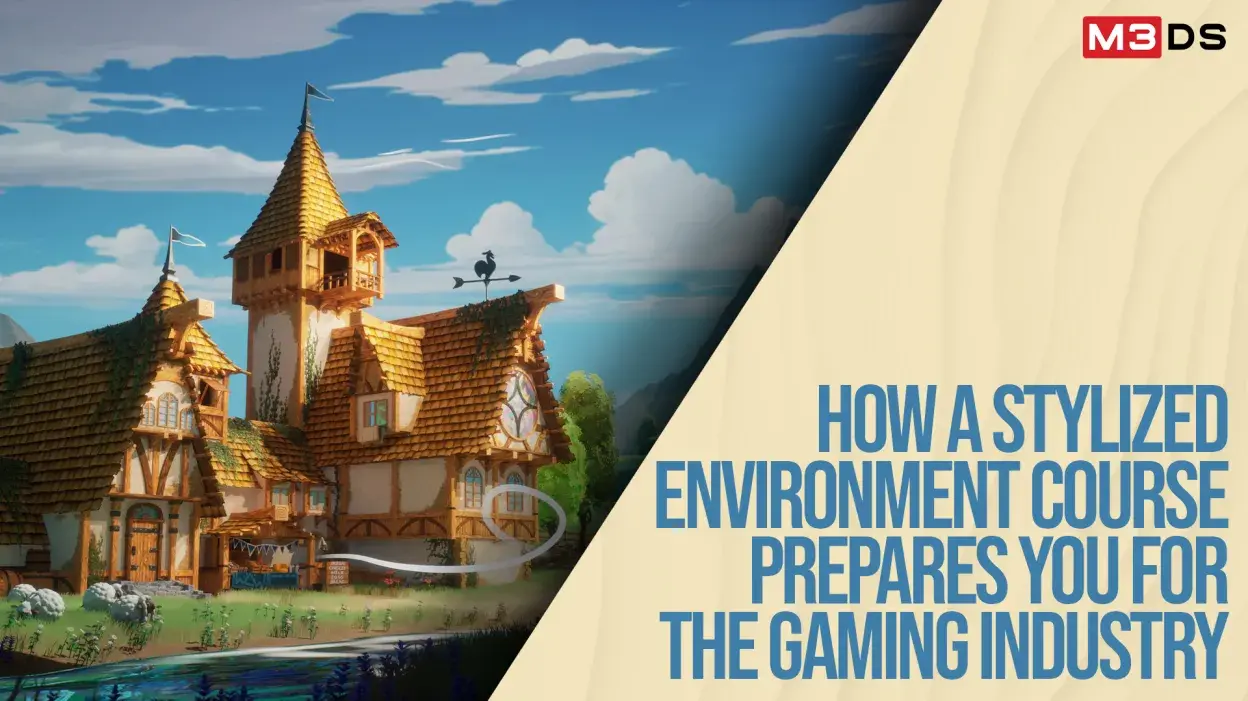
Stylized Environment Course for the Gaming Industry
The gaming industry is expanding rapidly, and studios are constantly searching for talented artists who can design unique and visually appealing game environments. Stylized environment art has become especially popular in modern games, making it a valuable skill for aspiring 3D artists.
However, creating these immersive settings requires more than basic 3D skills. A stylized environment course helps artists learn the creative and technical process behind building professional, game-ready scenes.
What Is Stylized Environment Design in Game Design?
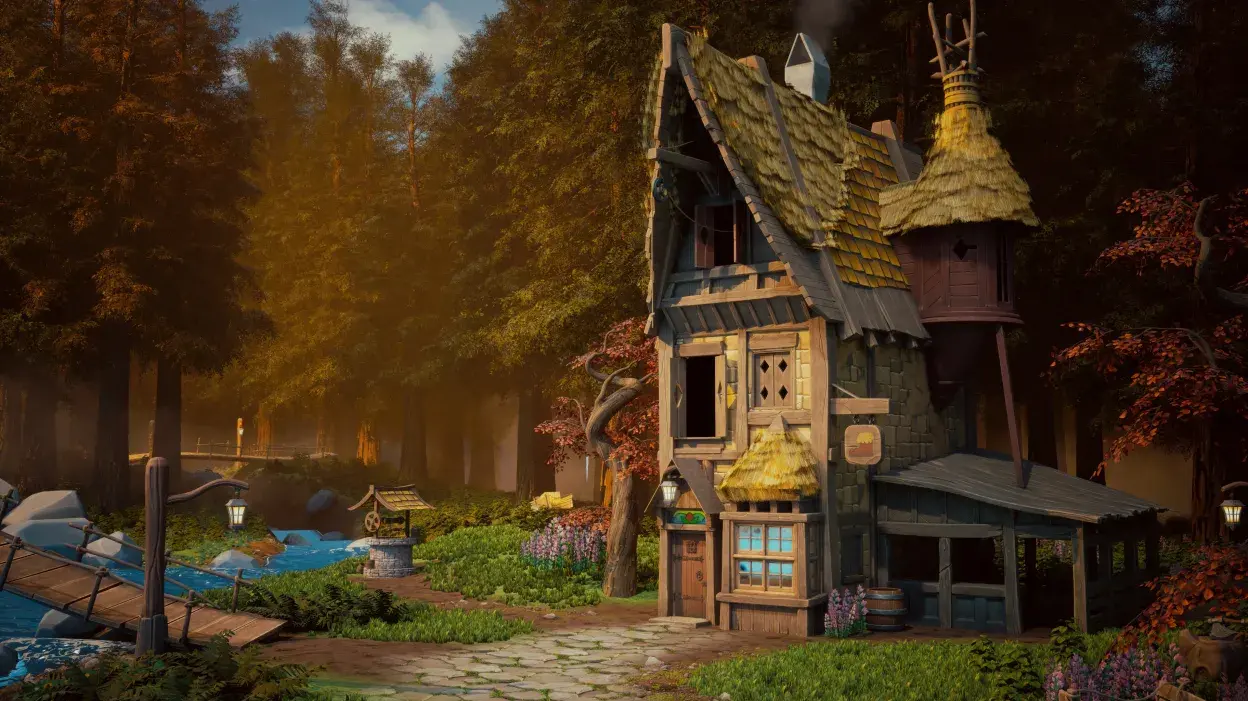
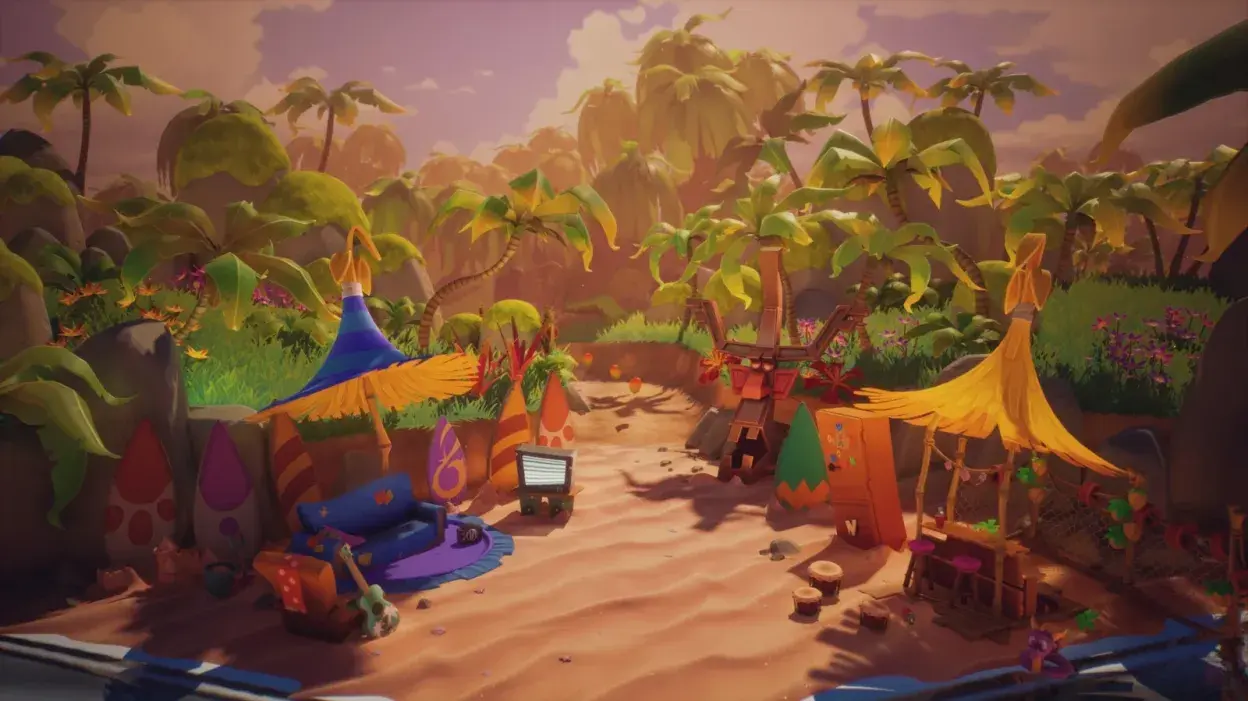
Stylized environment design refers to creating game environments with a unique artistic style rather than aiming for strict realism. Instead of copying real-world details exactly, artists exaggerate shapes, colors, and textures to create visually engaging worlds.
Stylized environments often focus on artistic interpretation. Buildings may have curved shapes, trees may appear exaggerated, and colors may be more vibrant than in real life. This approach allows artists to build environments that feel imaginative and expressive.
Why Stylized Environments Are Popular in Games
Strong Artistic Identity: Stylized visuals help a game stand out by creating a unique and recognizable art style that players can easily remember.
Better Performance Optimization: Stylized environments usually use simpler models and textures compared to highly realistic graphics, which helps the game run smoothly on different devices.
Suitable for Multiple Platforms: Because they require fewer resources, stylized environments work well on platforms like mobile devices, PCs, and indie game systems.
Long-Lasting Visual Appeal: Games with stylized graphics tend to age better, as artistic styles remain attractive even many years after the game is released.
Creative Freedom: Stylized environments allow designers to experiment with colors, shapes, and imaginative worlds that may not be possible with realistic visuals.
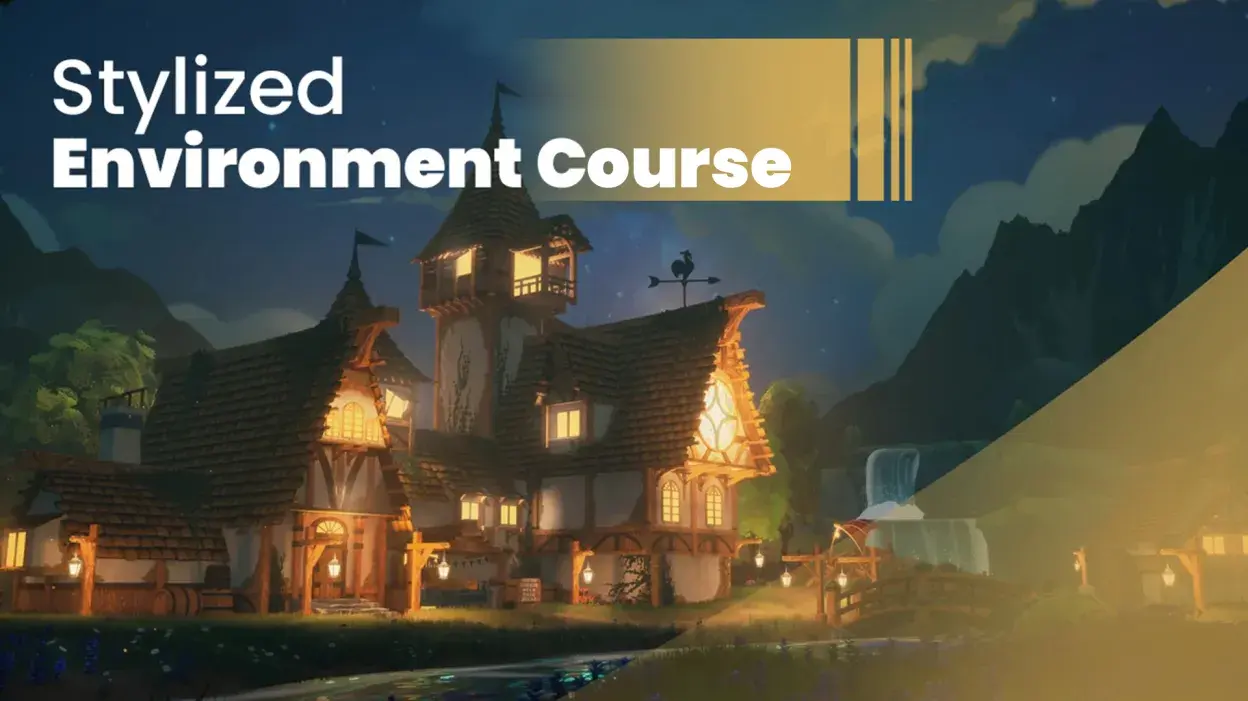
Skills You Learn in a Stylized Environment Course
A stylized environment course helps students develop the practical skills needed to design creative game worlds. It teaches how to build environment assets, apply stylized textures, and create visually engaging scenes for games.
Stylized 3D Modeling
Students learn how to create environment assets such as buildings, trees, rocks, and props. Stylized modeling focuses on clean shapes and exaggerated forms that align with a game’s overall art direction.
Asset Creation for Games
Game environments consist of many assets that work together to build a complete scene. A course teaches how to design and organize these assets efficiently so they can be used within game engines.
Texturing and Material Creation
Stylized environments often use hand-painted or stylized textures. Students learn to create materials that match a project’s artistic style while maintaining visual consistency.
Lighting and Scene Composition
Lighting plays a key role in shaping the mood of a game environment. Artists learn how to place lights strategically to highlight important areas and guide players through the environment.
Environment Storytelling
Every game environment tells a story. Through props, architecture, and layout, artists can communicate details about the world and its characters without using dialogue.
Tools Used in Stylized Environment Creation
Game studios rely on a variety of software tools to build stylized environments. Learning these tools is an important part of any professional training program.
- 3D Modeling Software: Programs like Maya, ZBrush, and Blender are commonly used to create environment assets. These tools allow artists to sculpt shapes, refine models, and prepare assets for texturing.
- Texturing Software: Texturing tools such as Substance Painter and Photoshop help artists create detailed surface materials. Stylized textures often involve painting colors and details directly onto models.
- Game Engines: Game engines such as Unreal Engine and Unity allow artists to assemble assets, build scenes, and test how environments appear inside a playable game.
Understanding how these tools work together helps artists adapt to real production environments.
Building a Professional Portfolio During the Course
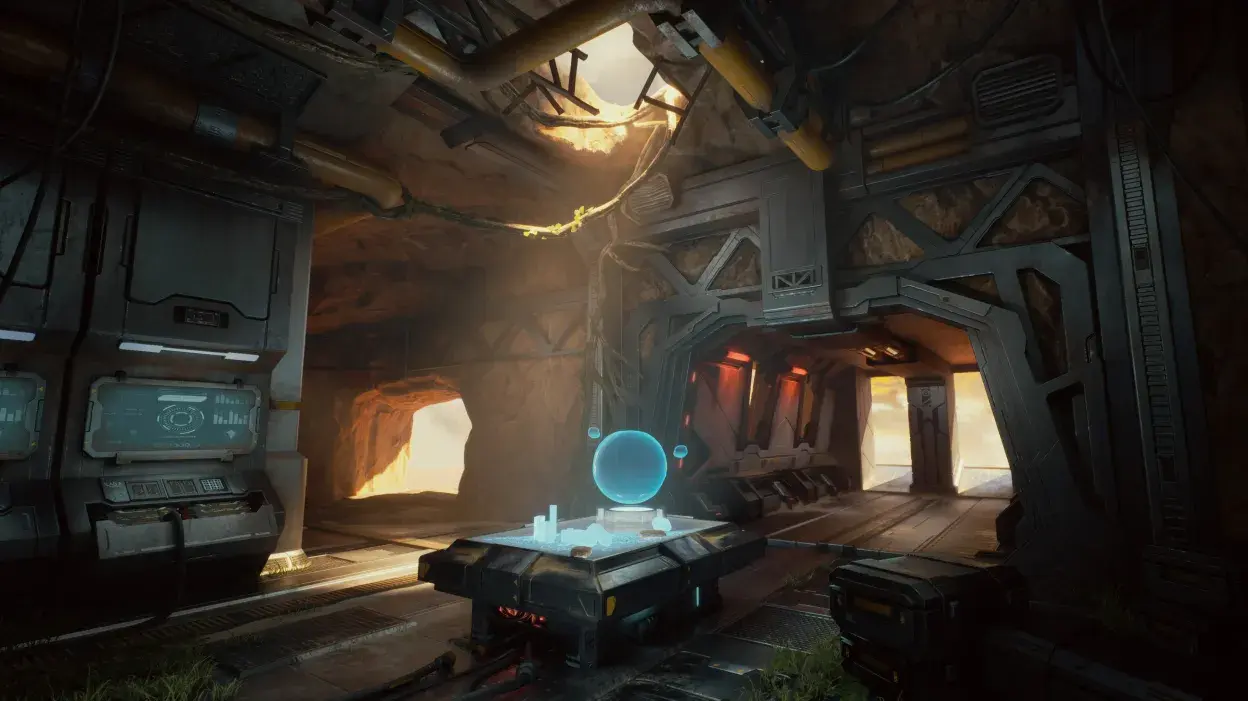
A strong portfolio is one of the most important tools for entering the gaming industry. Stylized environment courses often focus on helping students create portfolio-ready projects that demonstrate their skills.
Students typically work on complete environment scenes rather than isolated assets. These scenes show their ability to handle composition, lighting, modeling, and stylized textures.
Game studios usually look for portfolios that demonstrate creativity, technical skill, and consistency in artistic style.
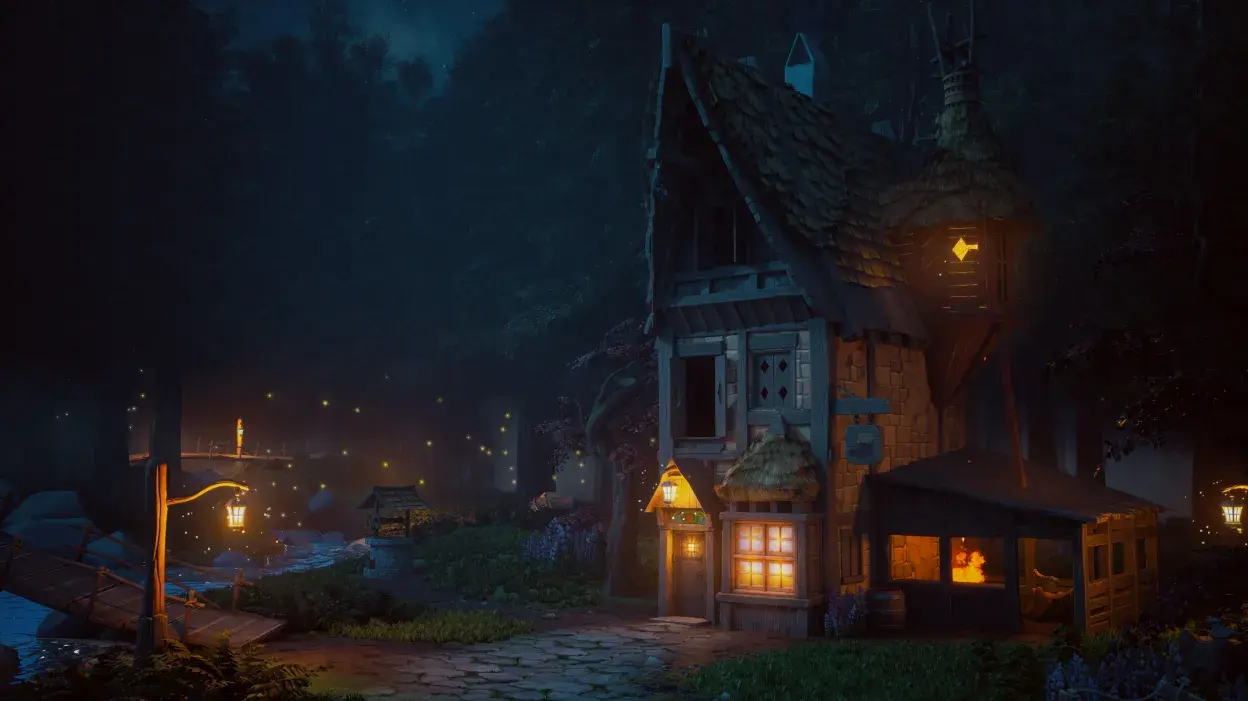
Game Environment Creation Pipeline
Game environment artists work within a larger production pipeline. Understanding this process helps artists collaborate effectively with other team members.
The pipeline generally includes several stages:
- Concept art defines the visual direction of the environment
- 3D models are created based on concept designs
- Textures and materials are applied to the models
- Lighting and scene composition are added
- Assets are imported into a game engine and optimized for performance
Learning this workflow helps students understand how professional studios build game environments.
Related Articles:
Environment Designer: The Art of World Creation
Career Opportunities for Stylized Environment Artists
The gaming industry offers multiple career paths for artists who specialize in environment design. After completing training in stylized environments, artists may pursue roles such as:
- Stylized Environment Artist
- 3D Game Artist
- Level Artist
- Prop Artist
- World Builder
As the gaming industry continues to expand, the demand for skilled environment artists continues to grow.
Learning Stylized Environment Art at M3DS Academy
At M3DS Academy, we focus on building the practical skills required for stylized environment creation. Our training approach emphasizes hands-on learning, allowing students to work on projects that reflect real production workflows used in the gaming industry.
We guide students through the entire process of creating stylized environments—from modeling assets to assembling complete scenes inside game engines. Our programs also emphasize portfolio development to help students showcase their abilities to potential employers.
Our academy has gained global recognition, being ranked among the top creative media and game development schools worldwide by The Rookies and recognized as the number one game development school in the USA.
Start your journey with us and turn your passion for game art into a professional career.
Tips for Aspiring Game Environment Artists
Students who want to succeed in environmental art should focus on developing both creativity and technical skill. Regular practice plays an important role in improving artistic ability.
Some helpful tips include:
- Study color theory and lighting to improve scene composition
- Practice building small environment scenes regularly
- Analyze environments from popular games to understand design choices
- Participate in online art communities to gain feedback
Continuous learning and experimentation help artists refine their style and improve their skills.
Stylized environment art is an important part of modern game development. A stylized environment course helps aspiring artists learn the skills needed to design creative, game-ready environments and build a strong portfolio for careers in the gaming industry.