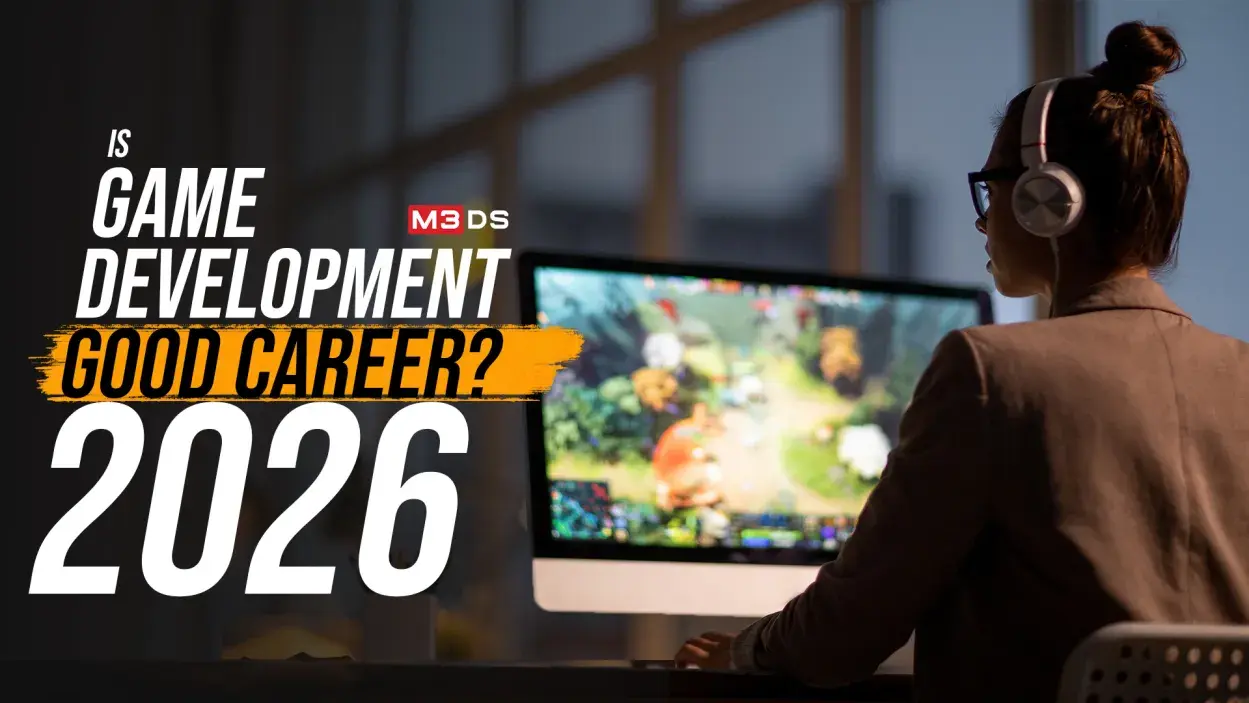
Is Game Development a Good Career in 2026?
Game development has moved far beyond being a niche career choice. It has grown into a field where creativity, technology, and storytelling all come together. For many, it starts with a simple interest in games, but turning that interest into a career involves a very different level of commitment.
Success depends more on execution, consistency, and practical skills than just ideas. If you’re thinking about stepping into this field in 2026, the real question isn’t just “Is it good?” – it’s “Is it right for you?” The answer depends on how well you’re prepared for the process behind the scenes.
Why Game Development Is a Strong Career Option
Game development continues to grow because games are now a major part of entertainment, education, and simulation-based training. Studios are expanding, and new platforms keep increasing demand for skilled professionals.
1. High Demand for Skilled Talent
Game studios are always looking for people who are skilled professionals, such as:
- Game designers
- 3D artists
- Programmers
- Technical artists
- Animators
As games keep getting bigger and more complex, companies need people who actually know how to use tools like Unreal Engine, Unity, Blender, and Maya, not just the basics, but the advanced stuff too.
Get to know: Why Learning Unreal Engine Can Boost Your Career
2. Multiple Career Paths in Game Development
Game development has a lot of different paths you can take, and each one focuses on a specific part of making a game. The sooner you pick one, the easier it is to stay focused and actually get good at it.
- Programming: Game Programmer, Engine Programmer, Technical Artist
- Art & Design: 3D Artist, Animator, UI/UX Designer
- Game Design: Game Designer, Level Designer
- Quality Assurance: QA Tester, QA Analyst
Each path plays an important role in building a complete game, and all teams work together to finish the final product.
3. Freelance and Remote Opportunities
Many studios now work with remote teams. Freelancing has also become a valid path for game developers. Artists and developers can work on multiple projects, collaborate globally, and build independent careers.
4. Creative Satisfaction
Game development is one of the few careers where you can combine technical skills with creativity. You are not just completing tasks, you are building interactive experiences.
For many people, this creative involvement is one of the biggest reasons to enter the field.
Challenges in Game Development
Like any technical field, game development comes with real challenges that should be understood early.
- It Takes Time to Get Good: You won’t become job-ready in a few weeks. It takes months of consistent practice to build a strong portfolio.
- Self-Learning Can Be Confusing: There are countless tutorials online, but they often lack structure. Many beginners jump from one video to another without building real skills.
- Competition Is Real: A lot of people start learning, but very few stick with it long enough to become skilled. This is actually good news if you stay consistent, you naturally move ahead.
Skills Required to Succeed
To build a solid career in game development, you need a mix of technical and creative skills.
Technical Skills
- Game engines (Unreal Engine, Unity)
- 3D modeling and texturing
- Programming (C++, C#, Python)
- Lighting and rendering
- Optimization techniques
Creative Skills
- Design thinking
- Visual storytelling
- Composition and color understanding
- Problem-solving
Soft Skills
- Communication
- Teamwork
- Time management
- Ability to take feedback
Check out: 5 Skills You’ll Learn in a Game Development Course
Game Developers’ Salary Overview
Earnings in game development vary based on role, skill level, and studio size.
On average, professionals earn between $65,000 to $95,000 per year. With bonuses and additional compensation, total earnings can range from $75,000 to $140,000+ annually.
- Entry Level: $45,000 – $60,000
- Mid Level: $70,000 – $100,000
- Senior Level: $110,000 – $150,000+
Salaries vary significantly by region, experience, and studio size.
Related Articles:
Why Learning 3D Modeling Is the Best Creative Career Move in 2026?
Game Development Courses for Beginners in 2025
3D Art vs Game Development: Which Career Path Is Right for You?
How to Start Game Development
If you’re serious about getting into game development, here’s a simple plan:
Step 1: Choose a Path – Start by choosing one path instead of trying everything together. Game development has different roles like programming, design, and 3D art. Each one works differently, so focus on what feels right for you. This helps you avoid confusion and builds stronger skills in one direction.
Step 2: Learn the Basics – Pick one main tool and stick with it. For example, Unity or Unreal Engine for development, or Blender for 3D work. Switching tools too early slows progress. Staying with one tool helps you understand how real projects are made.
Step 3: Build Small Projects – Don’t wait to become perfect. Start creating simple projects from the beginning. It can be a small game, a basic animation, or a simple scene. These small builds help you apply what you learn and improve faster.
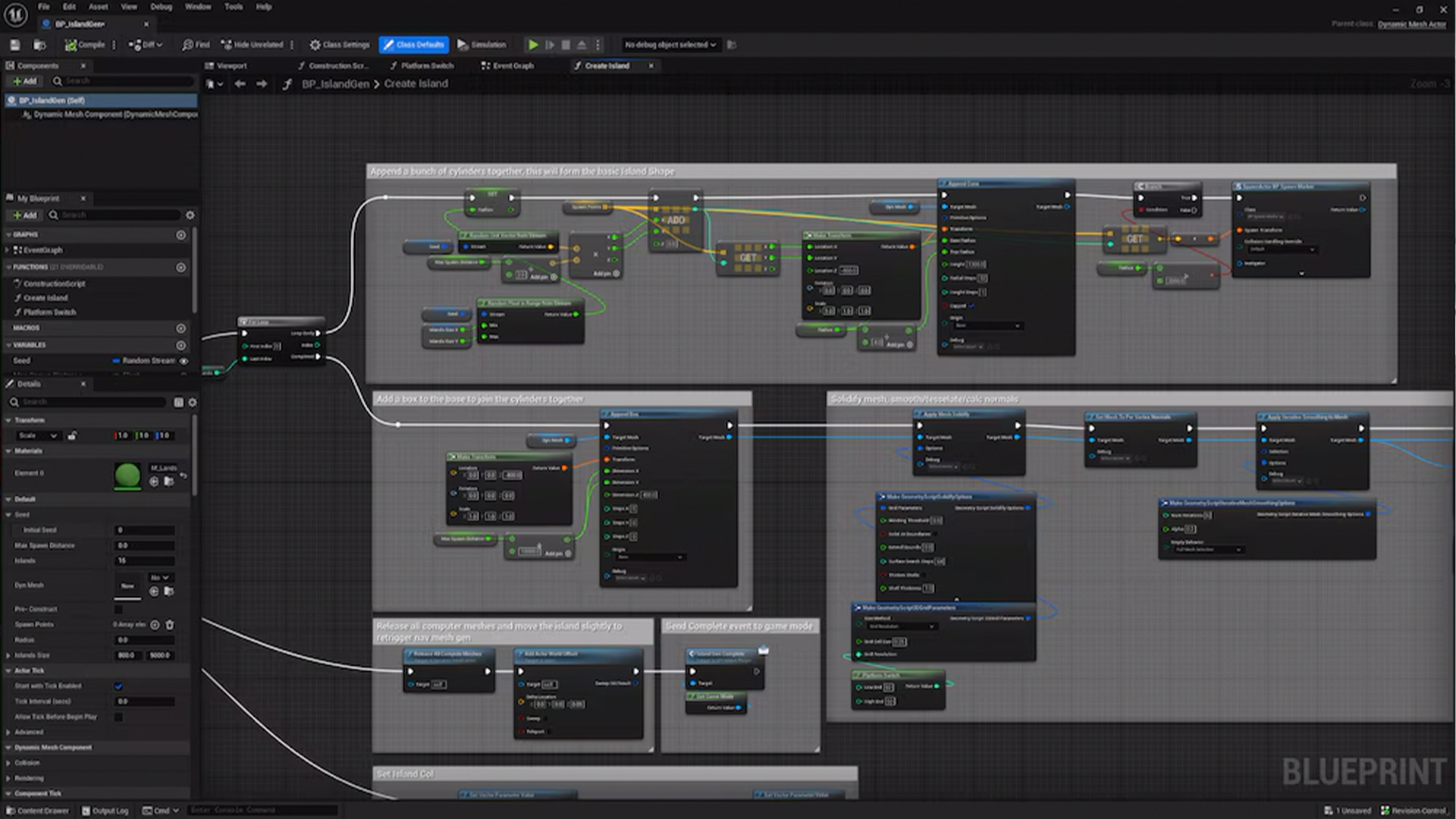
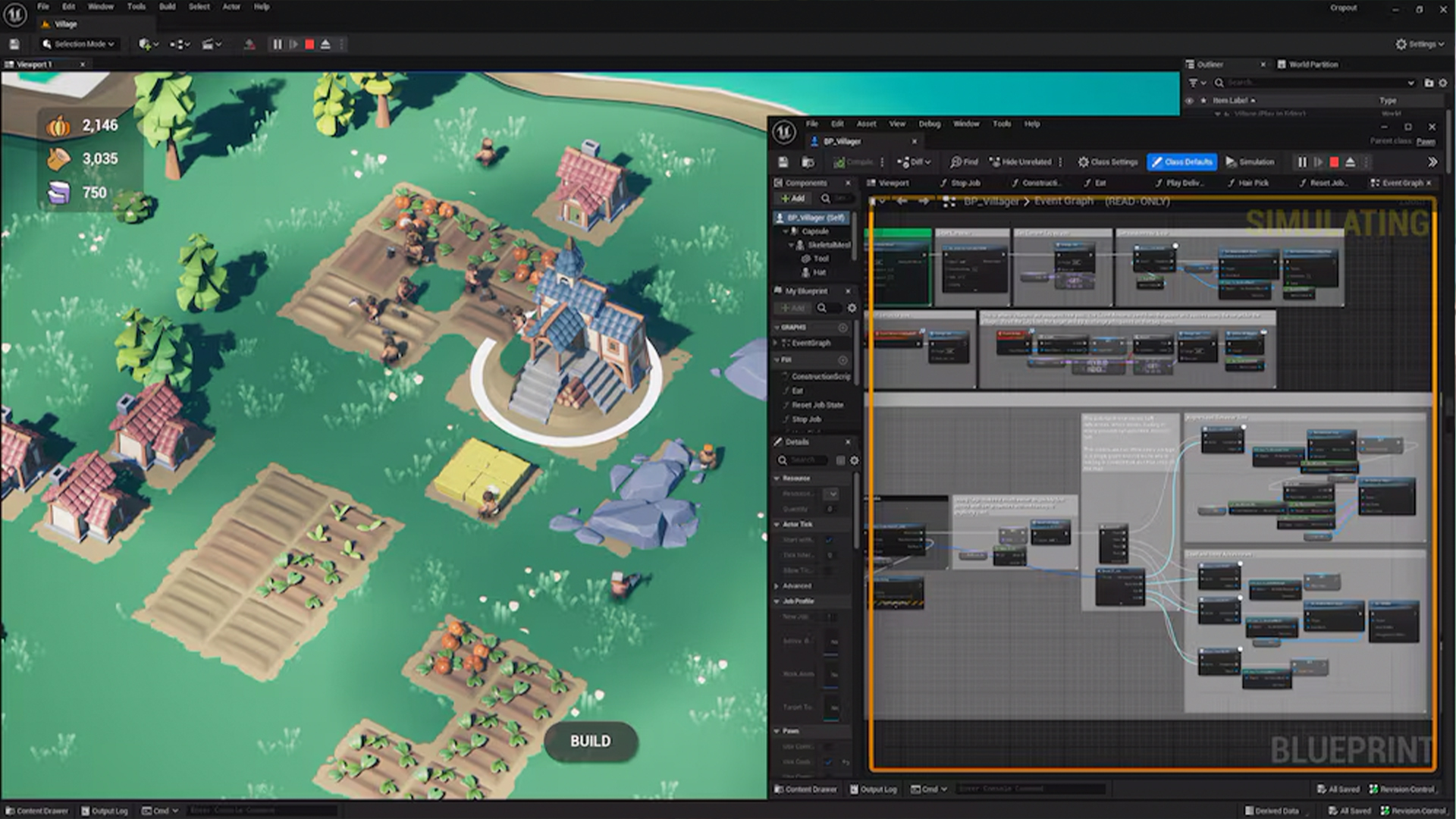
Step 4: Stay Consistent – Regular practice matters more than long study sessions. Even small daily practice builds strong skills over time. Consistency helps you stay connected with learning and improves problem-solving ability.
Step 5: Create a Portfolio – Keep your best work in one place. A portfolio shows what you can actually do. Add your projects, even small ones, as long as they are finished and clean. This becomes important when applying for jobs or internships.
Step 6: Apply and Improve – Once you have basic skills and a few projects, start applying for internships or small freelance work. Real projects teach things that learning alone cannot. This step helps you grow faster in a real-world environment.
Game development remains a strong career path in 2026, but it is not a shortcut-based field. It rewards consistency, practice, and structured skill-building.
How Does M3DS Academy Help Game Developers?
Building skills in game development is not about learning everything at once. It is about choosing a direction, practicing consistently, and working on real projects that reflect your ability. At M3DS Academy, we provide structured learning paths for students who want to build a career in game development and real-time production.
We offer courses in Unreal Engine, Maya, and the Game Development Specialization. These courses are designed to help learners develop practical skills and prepare for real production work.
M3DS Academy is globally recognized for creative education. The academy was recently ranked by The Rookies as the Best Creative Media School in the World. In addition, it has been ranked as the 4th Top Game Development School worldwide and recognized as the #1 Game Development School in the United States.
These rankings reflect our focus on industry-ready training and practical skill development in game development and real-time production.
For those willing to stay committed and build their skills, join M3DS Academy today!
FAQs
Q1. Which game engines should I start with?
Start with Unreal Engine. It is widely used for creating high-quality 3D games and realistic visuals. Beginners can use Blueprints for visual scripting without coding, and later learn C++ for advanced game development.
Q2. How will AI affect the future of game development?
AI will assist in tasks, making development faster. However, core areas like game design, storytelling, and player experience will still depend on human creativity and decision-making.
Q3. How long does it take to become a game developer?
It can take anywhere from 6 months to 2 years, depending on your learning path, consistency, and practical experience.
Q4. Is math important for game development?
Math is important for game development, especially for physics, graphics, and animations. Concepts like vectors and algebra help create realistic movement, mechanics, and interactions within games, though basic roles may need less math.