


3D Careers: Chances, Skillsets & What 3D Jobs Pay The Most?
3D careers are on a rapid rise. Step into a world where your imagination comes to life and a 3D career making you a fortune! Landscapes from video games and special effects from 3D movies are now in reach – and it’s not just for entertainment. A digital revolution is underway and the ones shaping it are 3D wizards. Interested?
You need to be ahead of the game. Do you like the idea of creating rather than just consuming? With 3D design skills, you could be part of a mission to shape how future landscapes look (online or off). We suggest you diversify your skillset so you will be more eligible for various 3D careers in different industries
There are plenty of jobs that better pay. More skilled workers are currently needed in this area. That could mean good deals for you regarding a paycheck and working conditions in the domain as well as conditions prospects.
Those working in 3D say one of the best things about the job is that it’s always changing. Discoveries and inventions keep the industry moving along. Many other industries require 3D artists to convey their goals. If all this sounds exciting and you think you’ve got what it takes, read on. We’ll provide information on what industries need skilled 3D artists. Where to find work – and why it could be worth getting into this type of career now? We have selected the top 20 industries where the 3D careers thrive in constant development through varied roles and it is increasing in demand exponentially. Let’s see what opportunities and 3D careers can be taken across different industries.
3D Careers In Gaming: Where Dreams Come to Life
Market Size: $180. 3 Billion (Newzoo, 2024)
The worldwide video game sector is massive, throbbing with originality and invention. It is not merely a question of what you see when you look at the screen (or screens); it is about building entire new universes that players can become part of; inventing lovable characters from scratch; and coming up with fresh ways to understand sport and competition. This handbook reveals some of the secrets behind getting a job in the gaming world — and having an amazing time once you start work. Do you realize that more things are being made for you to watch and enjoy than ever before? Somebody has to dream them up though… which is where you could come in! When we say there’s probably never been a better moment to take your place among those shaping tomorrow’s entertainment experiences, did this interest you at all?
What to Expect from 3D Careers In Gaming
Are you interested in becoming a Gaming Architect? They create:
- Characters: Develop iconic villains and heroes – each with its personality and style;
- Environments: Design cityscapes, landscapes, or perhaps anything else somebody could imagine!
- Vehicles: From spaceships to cars (and everything in between) these elements need both form/function within games – yours will be amazing designs for all three tasks at once.
Get Ready to Collaborate and Improve Your Skills! If this sounds like something you would love to do then read on for more information about how our team works together closely on projects as well as tips towards honing existing abilities plus learning new ones specifically related to working in Maya, Blender, etc., alongside fellow professionals such as graphic designers which can help take your work up another level entirely!!! There is an opportunity waiting just around the corner if becoming part industry that thrives upon coming up with new ideas always being original while making sure they are practical too; join us today and start experiencing for yourself what it’s like being involved firsthand with creating tomorrow’s must-have games consoles!!!
Overview Of 3D Careers In Gaming
These are some of the things you might expect and do if you choose to work in gaming. This sector overview gives an idea of the sort of jobs available. If you have the right skills and know-how there is no reason why you couldn’t be one of those people who build these worlds, for everyone! The future could be shaped by you. So, if it sounds appealing to combine creative flair with technical know-how and go on a journey where new ideas are key — well, there’s a whole industry holding its breath (p. s. it’s this one).
Discover more by reading our publishing From Gamer to Creator: Game Development For Teens.
3D Careers in Film & Television: Building the Future, Pixel by Pixel
Market Size: $259.9 Billion (Grand View Research, Inc., 2023)
The film and television industry captivates viewers globally on both the big screen and TV — but there is much more going on behind this. It takes a large group of people working together closely; each individual must be very talented. If you love to tell stories with pictures, then a job in TV or movies may appeal to you. This booklet explores such careers — which can be so exciting — providing lots of interesting facts and figures as well as looking at future trends (such as new technology) that will affect them. Do you want to help make shows or films that millions of others enjoy? If so, read on: it could be your first step towards an amazing job in this fast-changing area!
What to Expect from 3D Careers In Film & Television?
If you’re interested in developing a 3D career within the film and television industries, what can you expect from a career? Explore the exciting world of 3D careers in TV and film to find out more!
Understand and learn who makes those amazing scenes you see on screen. It could be you – join the ranks of 3D artists. Here’s how they do it:
- Make Concept Visualization: Take rough sketches plus scripts then turn them into something special using 3 dimensions (this will help directors understand exactly how their characters, stunts, or sets might look).
- Create Detailed Digital Sets: Rember to create immersive digital worlds such as ancient cities or alien worlds – save loads of cash for filmmakers as there’s no need to construct huge sets!
- Create Props & Vehicles: Model objects with wings, wheels, or that don’t exist — then place them in movies so viewers can’t tell what’s factual from fiction.
In addition, sharpen your skills for teamwork:
- Understand Body Shapes Better: To create realistic-looking people – or dragons – in 3D digital art, you need to know how their bodies move and take shape. (In game design, which often prioritizes cool visual effects over true-to-life realism, this is especially important.)
- Improve Your Lighting and Texturing Techniques: Study how light reflects off objects; learn how to add textures to things like wood grain, metal surfaces, and skin so they look incredibly lifelike.
- Get Used to Working in Teams: Being able to collaborate well with others towards a shared goal is a crucial skill in this course; you’ll quickly discover that two heads are better than one when it comes to solving problems or generating ideas for group projects.
- Push Yourself Further: Could thinking about the way animals or people move when they’re scared help you tell stories more effectively through your artwork? Or maybe there’s something else that would take them up another notch too: like using color-coding systems for objects within scenes?
- Tell Whole Stories Using Computer-generated Imagery Alone: It might not make sense now but by the end of our module called Narrative Structures plus everything else you’ve been taught so far at university – wow!
- Look into Cutting-edge Techniques: Don’t let yourself become out-of-date before graduating; keep an eye on new developments such as whether 3D scanning software could soon do things previously impossible with special effects for movies.
Gain all the skills and information needed to work in 3D design professionally from today´s course onwards
Overview Of 3D Careers In Film & TV
The world of film and television offers a dynamic and rewarding career path for those with a passion for visual storytelling. By honing your skills, embracing continuous learning, and forging strong connections within the industry, you can contribute to the creation of captivating content that entertains and inspires audiences worldwide.
So, are you ready to take your place behind the scenes and illuminate the silver screen?
3D Careers in Fashion Industry: Unveiling the Threads of Creativity:

Market Size: $1.7 Trillion – Global Fashion Industry Statistics, 2021
Embrace the world of Digital Fashion! Groundbreaking technology is transforming the industry – and 3D artists are at the forefront of this revolution.
- Become a 3D Fashion Specialist: Crafting digital clothes and accessories with specialist software – helping to create styles at speed, reduce waste in the design process, and much more.
- Creating virtual fitting experiences for shoppers: think interactive 3D effects that allow people to “try on” items from a website in different sizes or styles.
Technical Designers: Turning rough sketches into 3D samples that look like real garments; you’ll need to make sure patterns are correctly applied and check these virtual creations for fit too.
What to Expect From 3D Careers in Fashion Industry
There is a lot to learn – but that’s all part of the fun when you collaborate with fashion designers, pattern cutters, and others to bring their ideas to life (digitally speaking).
Here are some ways you can be successful in this job:
- Specialize in key areas while also working well with others: Start by gaining expertise with CLO 3D and Browzwear or learn advanced modeling programs like Maya/ZBrush for intricate work. You’ll need understanding of digital fabrics and clothing production too.
- Understand fashion design fundamentals: Build a solid foundation in draping, patterning—and knowing what’s hot right now doesn’t hurt either!
- Be prepared to team up with fashion designers, product developers—even fellow pattern-makers: These pros are your new BFFs because bringing ideas from screen to runway takes serious group effort.
- Take ordinary fashion skills up several notches using breakthrough technology such as 3D printing: Find out how to create custom clothes and jewelry with this technique. It’s never been done before so get ready make history (and look amazing doing it).
- Explore creating garments that don’t harm the planet: Design digital clothes for our eco age which use materials sparingly + produce very little waste; there is huge demand already! After graduating don’t be surprised if big brands offer you jobs right away.
Overview Of 3D Careers in the Fashion Industry
3D Careers in Product Management: Where Dreams Come to Life

Market Size: $180.3 Billion (Newzoo, 2024)
The global video game industry is massive, and bursting with fresh concepts. It’s not just about making games look great – although that helps! Developers also have to think about creating entire new worlds for players to explore; coming up with cool characters who act like real people; and totally changing how we compete with each other (or just hang out and have fun). Do you reckon you’ve got what it takes to be part of the next big thing in gaming?There are loads of jobs because more movies, TV programs and online clips are being made than ever before – and someone has to dream up all those games and entertainment. That person could be you! Consider this: there is a wide range of careers that allow you to help invent the stuff that computer games of tomorrow will be made from. And this world – the world of gaming – is only going to get bigger as well tell you later on.
Being a 3D Specialist in Play: Gaming Product Management
If you become a product manager for games, you’ll shepherd a game from idea to launch – and if you’re the kind of person who knows 3D graphic design inside-out, you’ll get to make sure it looks great too.It won’t just be up to you how the game looks though (and plays, for that matter).
You’ll need to work closely with lots of different experts to make sure final products are both beautiful and fun. In fact there will be times when this job feels more like being an orchestra conductor than anything else!Still interested? Here are some things you might find yourself doing:
- Coming up with an art style: Creating art concepts and explaining why it matters. If we take “angry birds” as our example once again: somebody had decide early on that they wanted characters which look like round balls with triangles on top — instead of more realistic figures such those seen in first-person shooter games.
- Managing 3D Assets & Workflows: Managing workflow when there are 3D models, textures and animations involved (and making executive decisions about all three).
- Prioritizing & Optimizing Visual Features: Deciding what new features need prioritising from a visual perspective — does Angry Birds need to look nicer still, even though lots of people seem be playing it fine on their existing devices?
- User Experience (UX) Emphasis: Make sure that the 3D components add to a positive user experience— taking into account things like readability, clarity, and intuitive gameplay
Want to improve your skills and work with others?
If this sounds perfect, read on! Learn how teams of product managers work, get essential advice for honing what you already know, and discover ways to pick new things up too.
- Technical Skills Plus Knowledge of Game Engines: You’ll need to know a lot about 3D design and be highly skilled with key software such as Blender, Maya, or Unreal Engine.
- Communication Is Key – So Are Teamwork and Planning: Being able to talk clearly is vital; so is working well in a group that might include artists, designers, and programmers.
- Project Management & Prioritization: You also need top-notch organisational abilities for tasks including scheduling jobs, making best use of resources, and ensuring all the 3D parts for a project are completed on time and up to standard.
- Understand Games and How They’re Designed: Even if you don’t want to make games yourself, it is important to grasp some key principles behind game creation. Why? So you can choose what kind of 3D effects will work best for different playing levels — or whether they would be fun at all.
This may have already sparked an interest in product managing within the 3D sector; if so, good luck! A job like this needs dedication as well as the right skills – but with both, who knows what you might be able to create next…
Overview Of 3D Careers in the Product Management Industry
3D Careers in 3D Modeling: Where Creativity Takes Shape
Market Size: $8.6 Billion (Grand View Research, Inc., 2023)
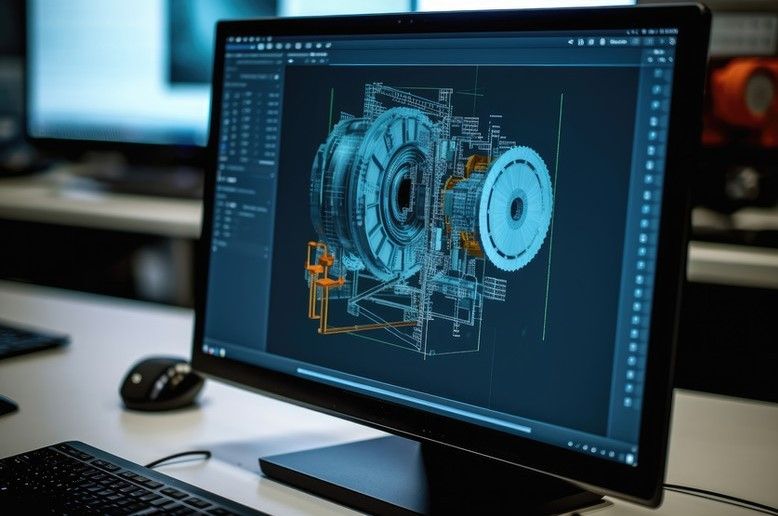
The realm of 3D design is experiencing explosive growth. It has overhauled numerous sectors and kindled creativity worldwide. Whether it is shaping complex figures for hit films or making virtual cityscapes for tomorrow’s buildings, there are virtually no limits to what 3D designers can do.This guide opens up some of the career paths that 3D design can offer. So if you love coming up with new things and want a job that does not involve sitting at a desk all day, read on.
Become an Architect of the Digital World: 3D Modeling Careers
When considering careers in 3D modeling, there are many paths to choose from. Here are just a few of the interesting opportunities available:
Character Modeler: Work on animations, video games, or virtual reality (VR) by creating characters that are engaging because they have been carefully made with lots of detail as well emotion!
Environment Modeler: Make landscapes and settings for films, games, and architectural visualizations; so people feel like they are really “there.”
Product Modeler: Create things like prototypes of new products; realistic-looking images used on websites to sell stuff; or graphics which show how something works for areas such as medicine or healthcare.
Sharpen Your Skills & Collaborate!
To succeed in the fast-paced world of 3D design, you need top-notch technical abilities—and the ability to work well with others. Here are some keys to becoming an expert:
- 3D Modeling Software Expertise: the better you know the tool, the more accurately you can realise what you need digitally.
- Anatomy & Form Knowledge: Understand anatomy and formIf you’re designing characters or creatures, grasp how their bodies work and their overall shape: believability is key when they’re brought to life on screen.
- Lighting & Texturing Skills: Light and texture things like a proIt’s amazing what good texturing can do for a model – take something flat and give it depth simply by adding visual “noise” to the surface.Similarly being able to place light sources within a scene so it looks natural (but also draws attention to the right places) is another skill worth honing if effects-heavy movies appeal; think about cars in commercials!
- Teamwork & Communication: Team up with other talented folkNearly all big projects will require lots of input from different departments; be prepared not only work hard alongside animators and FX artists but also communicate your ideas clearly over sometimes very technical discussions too!
Overview Of 3D Careers in the 3D Modelling Industry
3D Careers in Rigging: Breathing Life into Digital Puppets
Market Size: $1.2 Billion (Mordor Intelligence, 2023)
The realm of 3D animation is an enchanting combination of artistic skill and technical ability. However, there is a secret hero behind each seamlessly animated character: the rigger. If you love animation and have both creative vision plus technical know-how then perhaps consider becoming a professional (it might just be ideal job for you!).
Become a Digital Puppet Master: 3D Rigging Careers
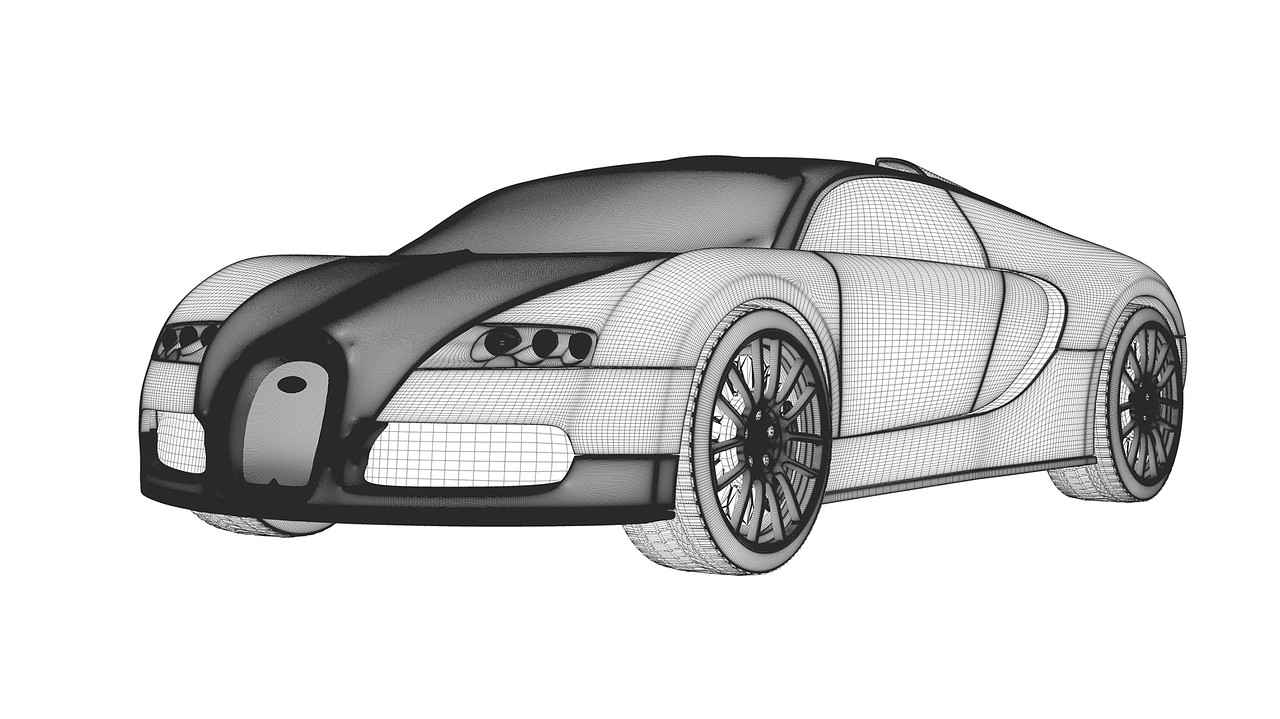
Rigging is a niche area of expertise within the field of 3D animation. It involves creating the digital ‘skeletons’ that animators will use to control characters and objects within animation software. This highly skilled process demands not only a deep understanding of anatomy, physics, and animation principles but also proficiency with specialist software. Here’s an insight into some of the career paths you might consider if you decide to specialize in rigging:
- Character riggers: Concentrate on creating rigs for characters – making sure they move in a natural-looking way that also adheres to basic anatomical principles. Rigs must be versatile enough to allow for a full range of expressions and emotions.
- Creature riggers: These are experts at creating rigs for animals and other non-humanoid characters (those without human shapes). When rigging quadrupeds (animals with four legs) for example, specialists study real-life anatomy, locomotion (movement) patterns, and behavior for reference.
- Vehicle riggers: Work on rigs that will make cars, carts, tanks, and lorries move realistically in animated scenes. As well as movement, these professionals may add controls so a vehicle’s doors open and close, or missiles are launched!
- Props & environment riggers: Ensure animators can convincingly pick up coffee cups, answer ringing phones, point satellites towards Earth, etc by creating rigs for miscellaneous items (‘props’) plus things like buildings, lampposts, cars & aeroplanes (‘environments’).
Improve Your Skills & Partner Up!
To excel in the fast-paced world of rigging, you need more than just technical know-how — you also need an artistic flair.
- 3D Animation Software Expertise: You can’t get far without being a pro on programs like Maya, Blender, or 3ds Max. Of course, you’ll want to focus on their rigging tools and capabilities.
- Anatomy & Biomechanics: If you want your creations move like they would in nature (and who doesn’t?), it’s essential that you understand both anatomy biomechanics.
- Physics & Kinematics: Rigging isn’t only about making things look pretty! A solid understanding physics kinematics enables riggers to create rigs that respond realistically to forces weight distribution.
- Technical Scripting & Programming: Do you like working efficiently? Would prefer not do same stuff over again all day long? If so: learn some basic scripting or programming skills—they could help automate tasks within your workflow.
Collaboration & Communication:.Able make friends? Good at talking people? Enjoy working together on projects more than alone in dark room for hours on end? May we even say behind-the-scenes all-important skills such disciplines as collaborating with animators modelers other artists ensure whatever they create runs smoothly through rest pipeline too.
Overview Of 3D Careers in the Rigging Industry
3D Careers in Animation: Moving Pictures Excellence
Market Size: $6.5 Billion (MarketsandMarkets, 2023)
If you love to tell stories and see your vision come alive, a job in 3D animation might be perfect for you.Imagine a world where anything is possible — all brought to life with incredible 3D effects! From adorable characters in kids’ shows to giant monsters in summer blockbusters; this amazing art form tells such great tales that audiences can’t help but be moved as they watch by the magic on screen take hold of their hearts.But there’s more than just cool visuals when it comes down to making these types of films: lots of different highly trained people must collaborate closely together if projects are going to look good move well make sense AND deliver meaning too.
Career Paths in 3D Animation
Are you interested in becoming a part of the exciting world of 3D animation? If so, you’ll be pleased to know that there are many fulfilling jobs to choose from! Each one is important in its own way to the overall animation process. Here are some examples of cool jobs that will be open to you once you’ve finished your training:
- Character Animators: This type of work is often thought of as being at the very heart of animation.
- Environment Animators: As a character animator, it would be up to you to take static characters and make them move – but not in any old way. These figures must appear to think and feel just like real people (or animals) do. Effects such as waving leaves or passers-by can also fall within this category.
- Special Effects Animators: Does the idea of making explosions look even more awesome appeal? Creating convincing fakes for use in science fiction settings? If the answer is yes then you might want to give serious thought towards becoming a specialist effects artist.
Lighting & Rendering Artists: Without professionals with these skills, all your hard work on movement plus character design etc is likely to prove worthless – because viewers won’t be able to see it properly!
Improve Your Skills & Partner Up!
Succeeding in the fast-paced field of 3D animation necessitates a special combination of artistic ability, technical know-how, and good collaborative skills.
- Specialized Software Knowledge: You must be familiar with all the major programs used by professionals—such as Maya, Blender, or 3ds Max—to bring your creative ideas for movement to life. Drawing and Animation Basics: To grasp how things move (which is handy when you’re creating characters that have to walk, talk, fight, or anything else), you need a strong foundation in drawing and sketching plus knowledge of animation principles.
- Understanding Emotions and Movements: Sometimes animators take acting classes, so they can understand how people’s feelings show through their actions and faces. They then use this knowledge to make their characters move in a more lifelike way.
- Time Management and Storytelling: Both of these skills are vital if you want viewers to believe in a sequence that you’ve created or care about the characters within it; being good at working alongside others also helps greatly with this!
- Sharing Ideas/Progress: Teams of professionals generally make animated films but also TV shows, computer games etc.—not just one person; knowing how best to share what you’re doing with lots of different types of colleague is therefore key.
Overview Of 3D Careers in the Animation Industry
Explore more by reading Game Development for Teens: Learn, Create, Innovate at M3DS.
3D Careers in 3D Printing: Shaping the Future, One Layer at a Time
Market Size: $3.5 Billion (Allied Market Research, 2023)
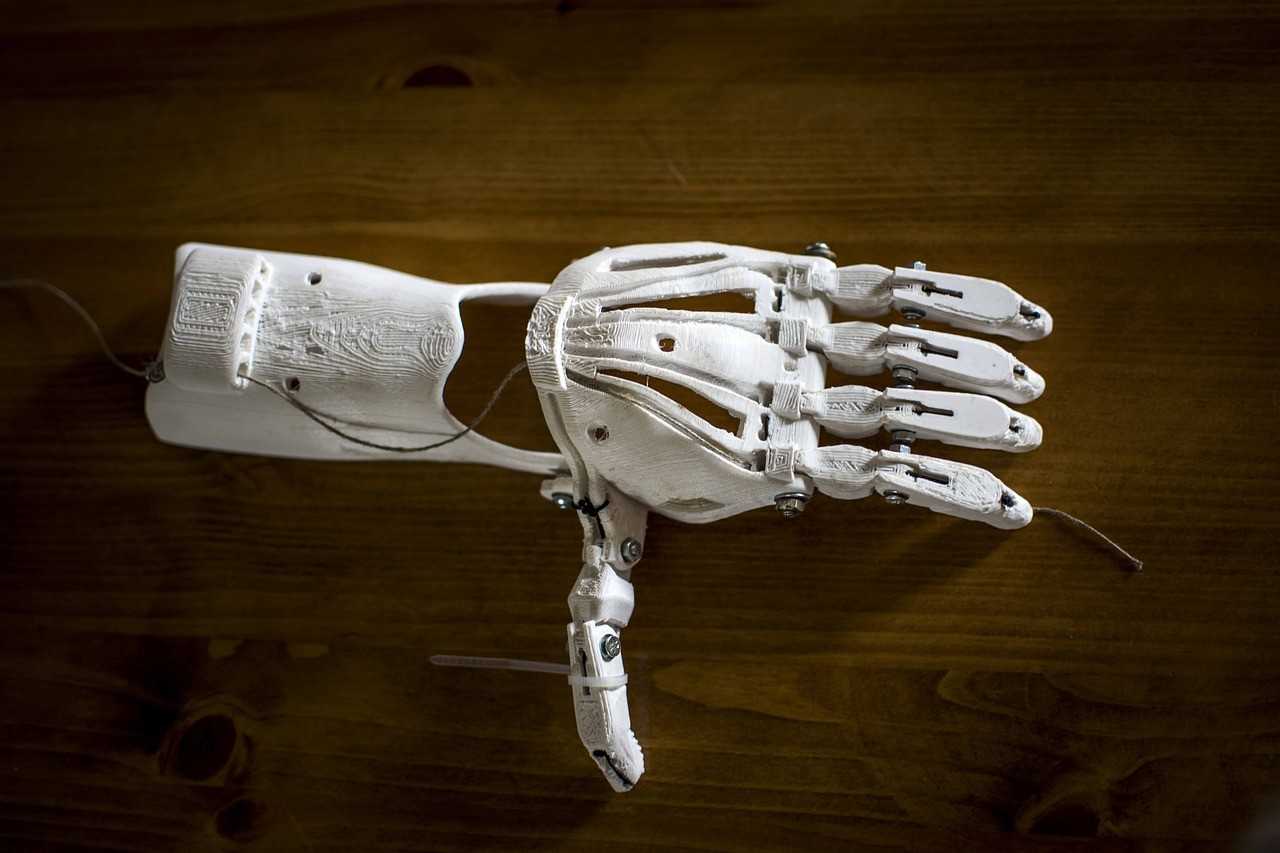
If you enjoy being innovative and possess a mix of technical abilities with creative vision, then maybe think about working within this industry that uses cutting-edge machines to shake up everything from medical care through fashion building design – plus there’ll always be jobs for people who can figure out new things do with these devices while they whirr away!The universe where 3D printers are found is changing quickly: what seemed like science fiction a little while ago is now part our everyday lives thanks in large part to these amazing gadgets.
Become a Pioneer in Additive Manufacturing: 3D Printing Careers
Don’t miss out on the chance to lead the way in 3D printing careers! A job in this field means becoming part of an industry with lots of different opportunities. It takes a team of professionals with unique skills to bring 3D designs to life – here are just a few examples:
- 3D Printing Engineers: These experts design and maintain the machines themselves!
- 3D Printing Technicians: Day-to-day machine operators who also make sure prints are high quality and jobs run smoothly. Sometimes tasks include machine calibration, trouble-shooting and material changes too.
- 3D Model Designers: People who create the digital files which serve as instructions for 3D printers. Designs can be both artistic and technical.
- Bioprinting Specialists: Professionals working at the cutting edge of medicine and technology. If you work in this area you use 3D printing to make human body parts!
Get Serious Technical Skills In 3D Printing
To excel in the ever-evolving realm of 3D printing, you need more than just technical smarts—you also gotta have serious skills. Here’s what it takes to become a 3D printing whiz:
- Know-How on 3D Printing Technologies: It’s essential that you’re familiar with different types of 3D printing processes such as FDM, SLA, SLS—and what each one can do.
- CAD (Computer-Aided Design) Software Expertise: Proficiency with CAD Software If you want to make accurate models that actually print out nicely, then knowing your way around programs like SolidWorks or Fusion 360 is key.
- 3D Printing Slicing & Material Knowledge: Understand How to Slice 3D Models for Printing + Materials Science. In addition to understanding how slicing works (taking a 3D model apart so it prints correctly), having knowledge about various materials used in 3D printing is really important too!
- Think On Your Feet and Think Ahead: Being good at troubleshooting is necessary because sometimes things don’t go as planned when using 3D printers—plus being able to plan your prints in advance for best results will take you far.
- Become a Perfectionist with Lots of Patience: If you’re someone who notices every little thing out-of-place or loves quality control procedures then working in this field will be satisfying; after all there’s loads that can crop up throughout the process.
Overview Of 3D Careers in the 3D Printing Industry
3D Careers in Concept Art: Where Imagination Sets the Stage
Market Size: $2.1 Billion (Grand View Research, Inc., 2023)
If you love using images to tell stories and have the ability to transform difficult concepts into beautiful visuals, a career in 3D concept art may be ideal for you. This field offers numerous chances to combine creativity with technical skill: You’ll take an idea from a storyboard or script and use your specialized abilities to bring it to life— in a manner that will engage viewers of movies, video games and animation series!
Become a Visual Storyteller: 3D Careers In Concept Art
Are you interested in a career in 3D concept art? These professionals create important initial designs that show what characters, objects and surroundings will look like in projects. And if you work in this niche as a concept artist, using 3D software will allow you to take things a step further by making detailed images that look real – or at least very cool!
- Character Concept Artists: Use models, sculptures, and textures to show different people, aliens, animals, etc. It might include as well as how their facial expressions would be.
- Environment Concept Artists: also help bring stories alive visually; but instead of focusing solely on individuals, these professionals design entire landscapes along with buildings that may exist within them – whether these are real places or make-believe ones.
- Prop & Vehicle Concept Artists: have yet another responsibility: not only must they create items that fit into previously mentioned settings (Functional things such as buildings, and street furniture); these need designs showing how function!
Sharpen Your Skills & Team Up!
Succeeding in the constantly changing realm of 3D concept art necessitates blending artistic ability, technical expertise, and effective communication. Key skills include:
- Drawing, anatomy, perspective and colour theory: essential for creating concepts that are both believable and visually appealing.
- Proficiency with 3D modelling and texturing software: e. g., Substance Painter, ZBrush, Maya – industry-standard programs used to transform ideas into detailed models.
- Digital painting and illustration skills: paint/render in an engaging artistic style on top of 3D models to create slick, professional finished pieces.
- Understanding visual narrative and storytelling: at its heart, concept art tells a story visually – artists must convey emotions and ideas clearly through images.
Collaboration & Communication Artists: Collaboration skills are also vital. Concept artists frequently work alongside designers, art directors and other creatives; they need to be able to take feedback, contribute meaningfully to discussions, and understand how their work fits into the overall vision for a project. Teamwork Makes The Dream Work In Concept Art (And Most Other Jobs Too).
Overview Of 3D Careers in the Concept Art Industry
3D Careers: Giving Life to 3D Characters
Market Size: $1.8 Billion (Statista, 2023)
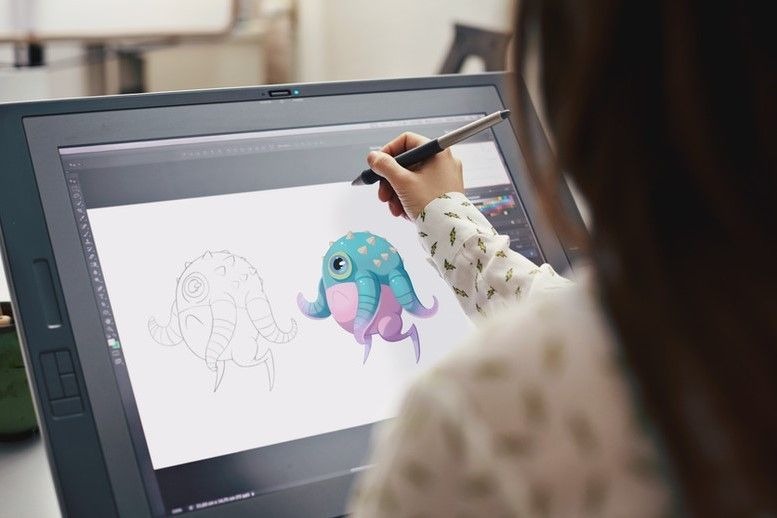
If you are someone who loves to create digital objects and has a keen eye for detail, then a job in the 3D character industry might be right up your alley. These artists are responsible for bringing to life some of our favorite characters from big-budget films as well as cute little guys on phone apps: they straddle the line between imagination and reality within this field — creating things that just don’t exist (or moving them around!) without losing any believability points along way.
Make a Career out of Digital Sculpting for 3D Characters
Make a Career out of Digital Sculpting for 3D Characters
The field of 3D character art boasts a variety of career options, all vital to creating realistic figures:
- Character Modelers: Those who specialize as Character Modelers serve as architects by crafting the initial 3D mesh design that gives shape and proportion to a figure.
- Character Sculptors: Take this model and breathe life into it—adding details such as facial expressions, wrinkles and muscles using advanced digital sculpting techniques.
- Character Texturing Artists: Make models appear lifelike by applying surface textures and colours; for example, they may give characters realistic-looking skin or clothing patterns.
- Character Riggers: Characters don’t move on their own: They need to be rigged! Artists specializing in this area create digital skeletons/ control systems which allow animators to alter poses etc.
- Character Facial Riggers: When professionals talk about rigging specifically for faces? They’re referring to facial riggers: specialists who enable nuanced emotional expressions via meticulous work on digital muscle structures (thereby giving characters ability to smile broadly, look sad etc).
Boost Your Skills & Team Up!
Succeeding in the ever-evolving realm of 3D character art requires more than just being a great artist or knowing your way around top-notch software – you also need to be an excellent collaborator. Keep reading!
- Build Your Artistic Basics: To craft characters that are both visually striking and believable, you must have a solid understanding of human (or humanoid) anatomy and figure drawing.
- Software Skills: 3D Modeling and SculptingBeing able to use industry-standard programs such as ZBrush, Maya or Blender is essential if you want to create characters through sculpting or modeling.
- Digital Painting and Texturing Techniques: Even once modeled characters will look plastic and fake unless you can apply materials and textures realistically – so digital painting skills are also vital here.
- Understand How Things Move (Biomechanics and Anatomy): Characters created with this knowledge move like real living beings do; those lacking it just seem wrong somehow – whether standing still or walking across screen.
- Quality Control Plus Attention-to-Detail: It is important to pay close attention not only detail but also overall quality control aspects for each model: making sure everything about them looks consistent from different angles throughout animations etc.
Overview Of 3D Careers in the 3D Characters Industry
3D Careers: Shaping 3D Environments, One Vertex at a Time

Market Size: $2.7 Billion (Grand View Research, Inc., 2023)
In the realm of 3D environments, there is an infinite canvas where creativity intersects with technical know-how. These digital worlds’ designers—environmental artists—build everything you see in gaming landscapes (from alien planets to cities that feel real), as well as CGI scenes from movies or TV shows; basically any place on screen! If creating such virtual spaces enthralls you and they are crafted objects of fascination for viewers—plus who doesn’t love a good challenge?—then becoming one might just be the job for which all skills have been waiting.
Become a Virtual Architect: 3D Environment Careers
Consider the following if you are thinking about a career in 3D environments: there is a wide range of paths you could take within the industry, each crucial to building these immersive worlds.
Some options include:
- Modelers: These people are like the builders of a world’s foundation; they create basic 3D shapes which might be landscapes, buildings or anything else.-
- Texturing artists: Once again we’re talking about bringing life into something that doesn’t exist! Texture doesn’t just mean colours and patterns but also how “rough” an object appears (imagine a rock – does it look smooth enough to touch or as though its surface would feel jagged?).
- Lighting artists: They say that without light there is no life (or possibly science) – and it’s true for this profession too. You need to make art out of light.
- Environment Concept Artists: Indeed these clever clogs design where lights should go so all effects can do their jobs properly. But there is more than just job titles when we talk about careers– especially as lots of concepts tend overlap between different positions as it is the case here. You will need to translate initial ideas and concepts into detailed 2D or 3D illustrations that serve as a blueprint for the environment’s design.
- Level Designers: If working on video game environments interests you Level Designers focus exclusively within this area during their duties crafting layout gameplay flow overall user experience for instance – whilst still falling under game design category of course!
Elevate Your Capacity & Collaborate!
Succeeding in the fast-paced realm of 3D environments necessitates an amalgamation of artistic flair, technical prowess and robust communication abilities.
- Robust Artistic Grounding: Good knowledge of art basics such as colour theory, perspective and composition is vital if you are to create settings that are both visually striking and believable.
- Competence with 3D Modelling & Texturing Software: Whether you opt for Maya, 3ds Max, ZBrush or another programme used throughout the industry, being able to work expertly is essential when modelling texturing environment elements.
- Understanding Lighting & Rendering Techniques: A solid understanding of rendering techniques in addition to lighting principles will be needed so that any given scene can be brought to life.
- Attention: The ability to design worlds that do more than just look nice – they also need support from storylines or gameplay features (if applicable).
- Checking Quality and Detail: You must have excellent attention-to-detail throughout production design work as well as maintaining stringent quality standards control procedures all times if visual continuity; whatever world you’ve created is going convince people it really exists!
Overview Of 3D Careers in the 3D Environments Industry
3D Careers: Limited-Edition Digital Assets 3D Drops
Market Size: $1.3 Billion (MarketsandMarkets, 2023)
Decoding 3D Drops: An All-Encompassing StrategyThe notion of 3D drops comes alive in various ways across diverse sectors of the creative world:3D Printing Drops (Exclusive Edition Models):Using 3D printing platforms, designers can put out limited edition 3D models available for a short period. People who own 3D printers can download and print these models – making it appear rare and therefore collectible.3D Animation Drops (Ready-Made Assets):Platforms that serve animators may provide ‘drops’ consisting of premade 3D characters, props or animation sequences. Using these downloadable goods could streamline workflows and enhance animation projects.Metaverse Drops (Virtual Fashion & Items):As virtual worlds grow via the metaverse, there could be ‘drops’ of clothes, accessories and other gear tailored for avatars in them. These digital items people buy enable them to customize their avatars – their online character, in other words.
Understanding 3D Drops: A Multifaceted Approach
In various creative fields, there are different ways to see 3D drops in action. For example: designers could use platforms like 3D printing to put out limited-edition 3D models – for a while only. People download the models (sometimes for free), then print them: owning something very cool that few others do is always going to be popular! Alternatively animators may find marketplaces that offer drops containing ready-made assets which can include characters, backgrounds and sequences of movements. Far from being lazy — using these tools can speed up workflow while also enhancing finished product., Drops do not have to be physical objects you can touch because recently there has been an increase in virtual items such as clothing or accessories. During lockdown one designer came up with a background which made it appear Zoom calls were happening from a chic New York apartment — when actually reader was sitting in box room at their parents” house.
Reasons to Choose 3D Drops
Below are a few possible advantages of 3D releases for creators and consumers:
Creators:
- Opportunities to make money: Drops provide a channel through which they can sell their 3D assets or models, making it possible to earn an income from their creations.
- Building an audience: Releasing limited-edition drops can help generate buzz around a designer’s work – potentially bringing new customers on board.
Consumers:
- Access to exclusive/unique content: If you’ve ever wanted to own something that nobody else has, a drop is where you’ll find it! Lots of releases comprise 3D models or assets that are not available anywhere else, creating kudos among fans who may be keen collectors.
- Be inspired / get stuff done more easily: For animators and other creative professionals, having a library of readymade assets at your fingertips can help speed up workflow.
Overview Of 3D Careers in the 3D Drops Industry
Sculpting the Next Generation: A Career as a 3D Art Instructor

Market Size: $1.1 Billion (Mordor Intelligence, 2023)
The realm of 3D art is continuously changing. The need for people who can teach others how to work in 3D is growing just as fast 3D technology is being used in more and more fields. Do you love 3D art? Are you good at explaining things? Then becoming a 3D art teacher might be the job you’ve always wanted!
Become a Knowledge Weaver: 3D Art Instructor Roles
There are many ways to become a 3D art teacher, and each one offers you something different–something special:
- University or College Instructor: If you become a University or College Teacher you can give students who are working towards art, game design or animation degrees a solid grounding in 3D art as well as teaching some advanced techniques.
- Online Instructor: Or maybe you’d like to teach people all around the world by developing courses for online teaching (and then of course you’d have to deliver them as well).
- Private Instructor: If there aren’t too many places near where you live that offer 3D art classes, another option would be becoming a Private Tutor which means teaching individuals or small groups either in their homes or your own.
- Workshop Leader: As an Workshop Leader running short but intensive courses on one aspect of 3D artwork such as how to sculpt characters or design landscapes – could be interesting?
- Community College or Continuing Education Instructor: For those who don’t want full-time work with lots of planning etc., becoming part-time instructor at Community College might fit well around other commitments since they often advertise jobs at evening weekends only;
- Continuing Education Centres: also sometimes look this kind of thing so you could contact them see whether any positions available – subject to trends.
Beyond Expertise: The Essential Skills for a 3D Art Instructor
Apart from just being really good at 3D art: What you need to teach it well? You can’t teach effectively with 3D graphics unless you also know about things like teaching, different kinds of software – and being nice. Here are five essential skills:
- Expertise in Using 3D Software: You should be able to use top industry programmes such as Maya, Blender and ZBrush inside out – so you can show other people how they work.
- Talking Clearly and Attractively: When you give presentations, make sure your students understand difficult ideas. Your enthusiasm for the subject should inspire them too.
- Liking Teaching and Helping: It’s important to have a real passion for passing on skills plus the ability to create an environment where learners feel supported.
- Being Flexible and Creating Teaching Materials Able To Change: If something isn’t working, good teachers find different ways to explain – or come up with new exercises on the spot. You’ll also need these skills to keep courses running smoothly while responding to current trends in the industry.
- Organising Your Time and Work Well: All This planning activities ahead, keeping track of progress, making systems for giving feedback to students: being in charge of a class takes a lot more than just knowing things.
Overview Of 3D Careers as an 3D Art Instructor
3D Careers in Advertising & Marketing: Captivate and Convert

Market Size: $783.2 Billion – Statista, 2024
Our world is saturated with messages – and it’s the commercial communicators who plot how these messages will be sent. They (the messages, as well as the careers) thrive on new ideas and clever thinking plus plans based on information: plans that alter how brand names connect with people. If you like persuading folk or just chatting a lot, then jobs in marketing communications could be right up your street – but there are plenty of others too.
There are so many different types of careers open to young creatives entering this industry… A new leaflet published today helps them find out more about what makes these sectors tick along while providing valuable facts and figures for those currently employed within them as well as those seeking work as well as an idea future trends may mean their chosen field changes over time. The Communications Careers guide also asks readers: fancy coming up with ideas ads that make folk buy things – or maybe changing behavior (yes including those in your age group) simply because they’ve read stuff you’ve written down or looked at online?
What to Expect from 3D Careers In Advertising & Marketing?
You might be interested to know that there is currently a high demand for professionals who can help tell brand stories through the creative use of three-dimensional technology. Businesses are increasingly using 3D artists to revolutionize the way they engage with customers. If you have ever wanted to build your virtual worlds, now could be the perfect time to start. Right now, some of the key roles that companies are looking to fill include:
- Product visualization specialists: Create incredible 3D models of items that people can interact with online. For example, imagine being able to rotate a watch around on your screen so you can see it from every angle before you decide whether or not to buy. This type of shopping experience is becoming more common – and more advanced – all the time.
- Experiential designers: Make interactive 3D elements for events, trade shows, shops – anywhere there are lots of people. And when we say “designers,” we mean it: These things will literally draw a crowd (and then give them something cool to do).
- Motion graphics artists: Produce 3D animations plus graphic design that moves; ideal for explainer videos, product promos, or even entire ad campaigns.
- Teamwork’s essential: All of these jobs require not just computer skills but also teamwork – often with many different kinds of creative professionals. You’ll need to be good at industry-standard software such as Maya, Cinema 4D, or Blender.
- But wait, there’s more: To succeed long-term in this field you must understand the principles of user experience design, creating engaging and user-friendly 3D experiences.
Don’t forget to stay up to date with new technologies; sometimes amazing opportunities become available because there’s suddenly a way to do something cool that just wasn’t possible six months ago.
Overview Of 3D Careers In Advertising & Marketing
3D Careers In Architecture & Real Estate: Shaping Skylines and Communities

Market Size: $10.9 Trillion – Statista, 2024
The world around us is filled with incredible structures built by talented architects and skilled real estate experts. These professionals don’t just make buildings look nice; they also create places that are practical to use, last a long time, and help communities grow. If you love design or construction and want a job where you can do both (or either) while having lots of different projects on the go at once – maybe even ones that last for years – then read on! 1 We’re going to take an exciting journey through careers in architecture and real estate; give you some cool facts and figures about jobs like these (there are loads);2 plus peek into the near future3 to see what might be on offer. Afterward, there’ll be no stopping us: we’ll all feel ready to join this dynamic industry where shaping tomorrow’s living environments is the goal.
What to Expect from 3D Careers In Architecture & Marketing?
Artists are using advanced 3D techniques to change the way people interact with buildings and land. Those working in architectural modeling take great care to create digital copies of structures that are not only detailed but identical to the originals – with an emphasis on precision.
- Crafting 3D models: One task for visualization experts is to make 3D models so lifelike that clients can walk through the building virtually before it has been built; another might be devising interactive design features for marketing materials.
- Building Information Modelling (BIM): This is an intelligent computer model that does not just represent a physical building but also data like structural stress points or energy usage patterns – information that is useful when managing properties long after they’ve been erected!
- Learn The Tools Of Your Trade: You need to learn tools such as SketchUp Pro (popular with top architects globally), AutoCAD Architecture, and Revit Building Design Suite from software developer Autodesk and become fluent in them.
- Explore Details: Everything from fine detailing work on cornices and door frames to different surface finishes like stone bricks or timber cladding throughout a whole building model. Understand how rendering plug-in software works so you can achieve photorealistic effects when producing high-quality images, videos, or walk-throughs.
- Possibly being part of a team: understanding what your colleagues such as project architects, engineers graphic designers, or estate agents do. Working together under senior staff direction to deliver completed projects on time, within budget, and beyond end users’ expectations!
- Converting old buildings into digital forms: This involves learning how to use techniques like laser scanning or drones so that you can take accurate measurements of historic structures. One reason for doing this is that it will help with conservation projects, renovations, or additions – if you have the original plans then they can be superimposed on the proposed setting. It also looks good on your CV if you want a job working on sets for Hollywood blockbusters or TV series which are set thousands of years in the past!
- Making content for virtual reality headsets: There are lots of things you can do this; not just making video games (though those too) but adverts, for example, or simulating medical procedures and sports coverage.
Interested in 3D models of houses? Buildings etc? If so join us and learn more about 3D models while helping re-imagine how our buildings and cities might look in the future!
Overview Of 3D Careers in Architecture & Real Estate Careers
Comparative Overview of TOP 3D careers, industries, skillsets, payrolls & demand
Conclusion: Start Your Journey Now
The rapid expansion of 3D technology is transforming various industries, from product design to animation and beyond thus increasing 3D careers and opportunities. As this field continues to evolve, the demand for skilled professionals is set to rise even further, offering numerous 3D careers & opportunities for those with expertise in three-dimensional work. Whether you’re interested in rigging, animation, or environment creation, the possibilities are vast and growing.
If you’re considering a 3D career in digital technology, there are plenty of ways to get started. To be more assured you might explore our game development academy programs section to discover the programs covered that can set you on the right path, or visit also our section for game development courses if you want to only focus on a specific skill. For those already in the game development sector, our masterclasses section offers a chance to learn directly from industry experts, revealing special tactics, secrets, tips, and tricks that can give you a competitive edge.
As technology advances, so too will the opportunities within 3D-related careers. To make the most of these opportunities, be sure to check out our enrollment and financing section, where you can find all the details you need about applying. The future of 3D technology is bright—start your journey with us today and be part of this exciting revolution!