

Creature Animator Basics: Skills, Software, and Techniques
What Does a Creature Animator Do?
This creature animator basics tutorial explains how animators bring both real-life and fantasy creatures to life for films, TV shows, and video games. Creature animators create believable digital characters by studying movement, anatomy, and behavior.
Their work involves carefully recreating how animals such as birds, insects, and mammals move in the real world while also designing animations for imaginary creatures that exist only in fiction. These creations can combine human and animal characteristics or feature completely unique designs, such as mythical beasts, alien creatures, or living environments.

Creature Animator Basics: Job Description
Creature animators specialize in creating believable movements for non-human characters. They may animate realistic animals such as dogs, snakes, and insects, or completely fictional creatures like dragons, unicorns, and alien beings.
Their goal is not only to make creatures move realistically but also to communicate personality and emotion through movement. A creature's animation should tell the audience something about its nature — whether it appears curious, aggressive, intelligent, playful, or afraid.
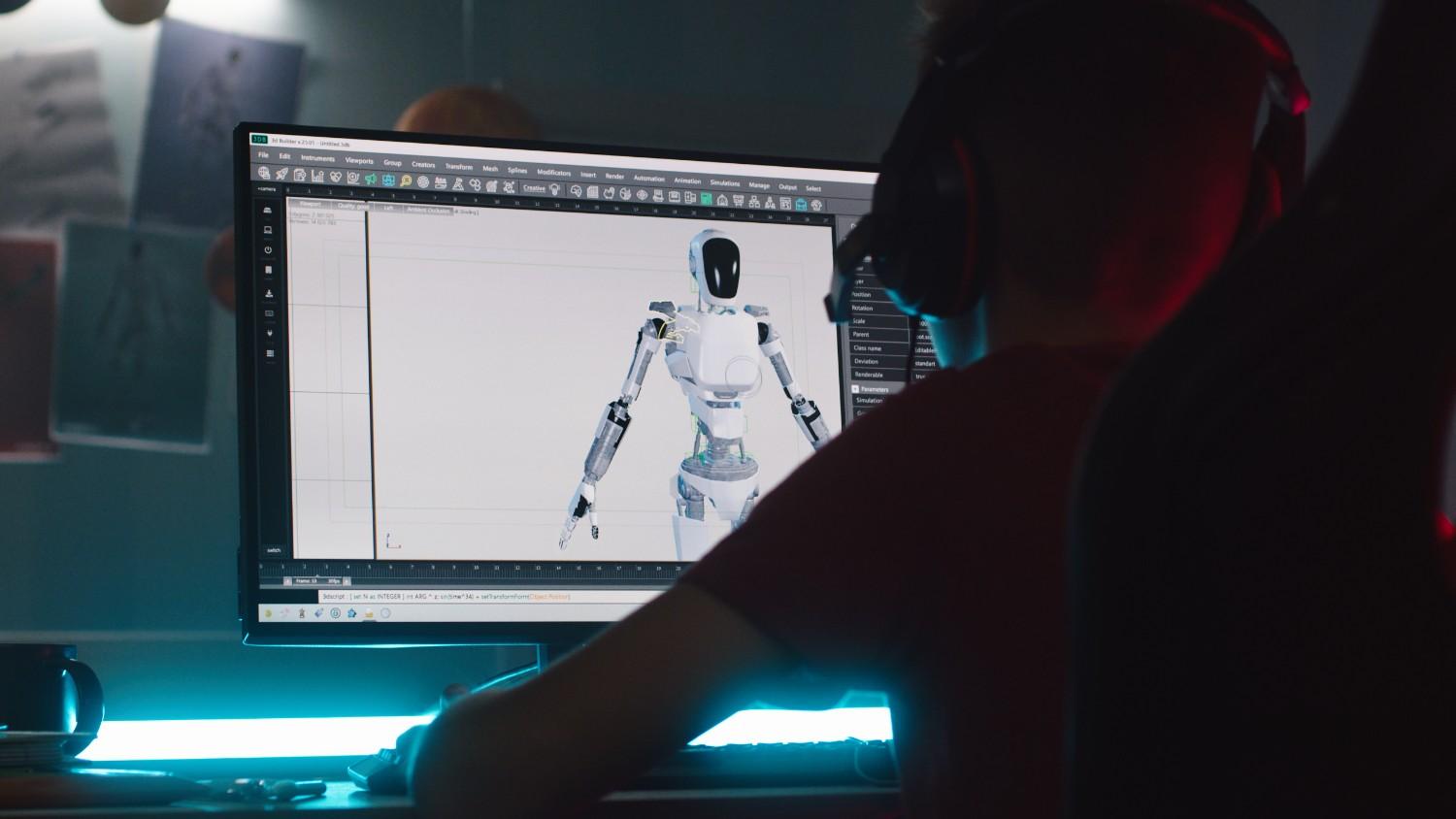
The same principles are also used when animating characters such as giant robots, dinosaurs, or other complex non-human creations.
Role & Responsibilities of a Creature Animator in Film and Games
- Animating 3D rigged creature models to create realistic performances for films, games, and digital experiences.
- Researching visual styles, genres, and technologies to match animations with the creative direction of each project.
- Using motion capture technology to enhance performances and create more realistic creature movements.
- Selecting important scenes and sequences where animation has the greatest impact on storytelling.
- Transforming storyboards and concept art into fully animated sequences that support the visual narrative.
- Managing animation files, libraries, and documentation to maintain organized production workflows.
- Integrating sound and syncing dialogue with animation to create immersive audio-visual experiences.
Skills Required to Become a Creature Animator
Creature animation is a highly specialized field and is usually not an entry-level animation position. Building a career in this area requires strong foundations in animation, character movement, and digital production.
- Complete a 3D animation courset o develop essential skills in character animation, creature modeling, and rigging.
- Develop expertise in character animation with a focus on realistic movement and complex creature behavior.
- Gain experience through animation projects such as creature work for films, games, or personal portfolio pieces.
- Create a strong portfolio demonstrating skills in 3D modeling, rigging, animation, and non-human character performance.
Skills Film and Game Studios Look for in Creature Animators
- Understanding creature movement including weight, balance, anatomy, and the behavior of skin, fur, feathers, scales, and muscles.
- Ability to visualize 3D animations from 2D storyboards and concept art while maintaining the original creative direction.
- Strong understanding of timing, movement, and editing to create smooth and engaging animation sequences.
- Experience working with 3D models and rigs created by modelers and technical artists.
- Knowledge of acting principles, cinematography, and visual storytelling to create emotionally convincing performances.
- Understanding of animation styles and genres to adapt work according to different project requirements.
- Knowledge of visual language concepts including perspective, composition, framing, color, proportion, and point of view.
- Understanding physics principles such as gravity, acceleration, momentum, and energy to create realistic movements.
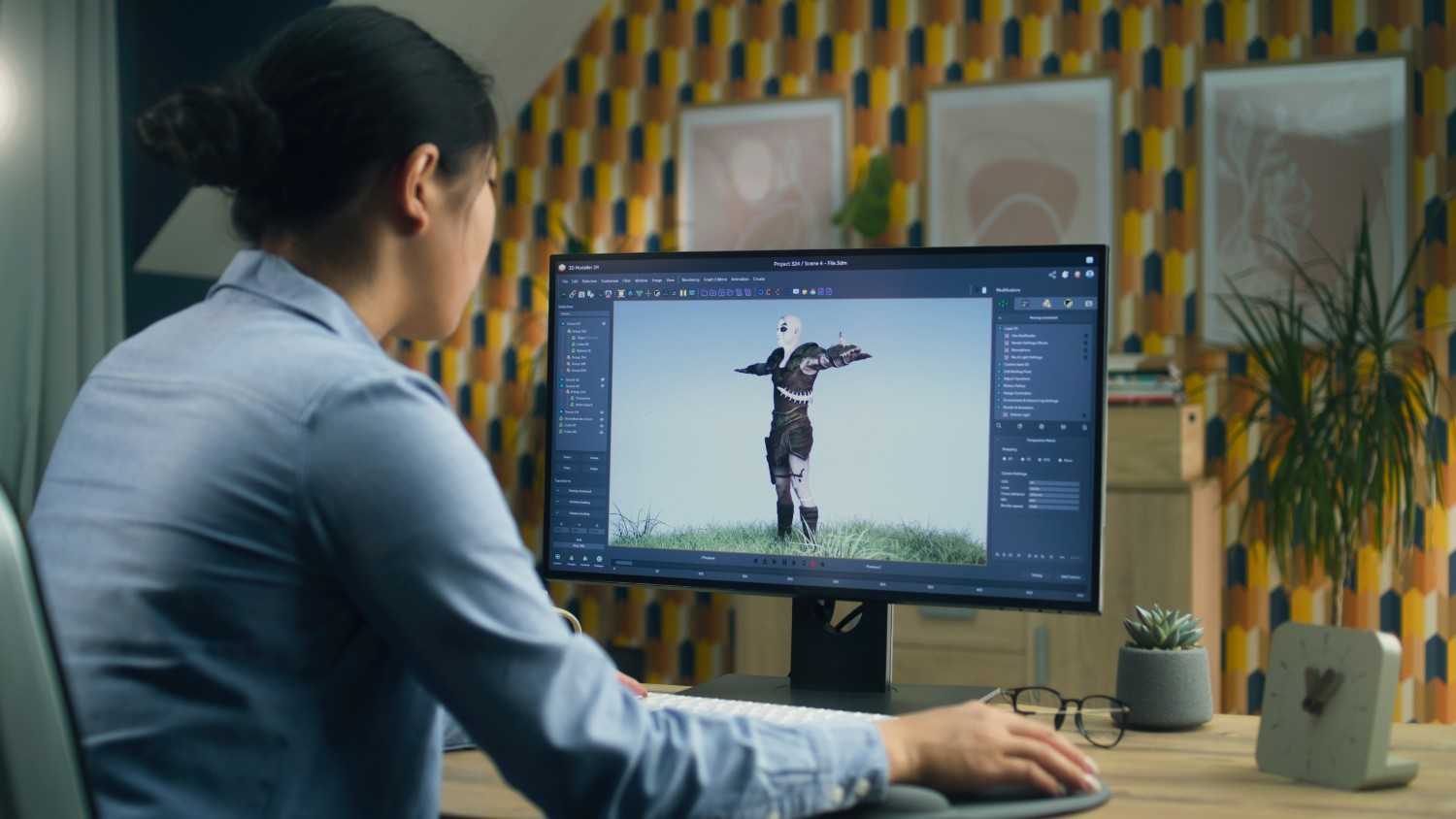
What Software and Tools Do Creature Animators Use?
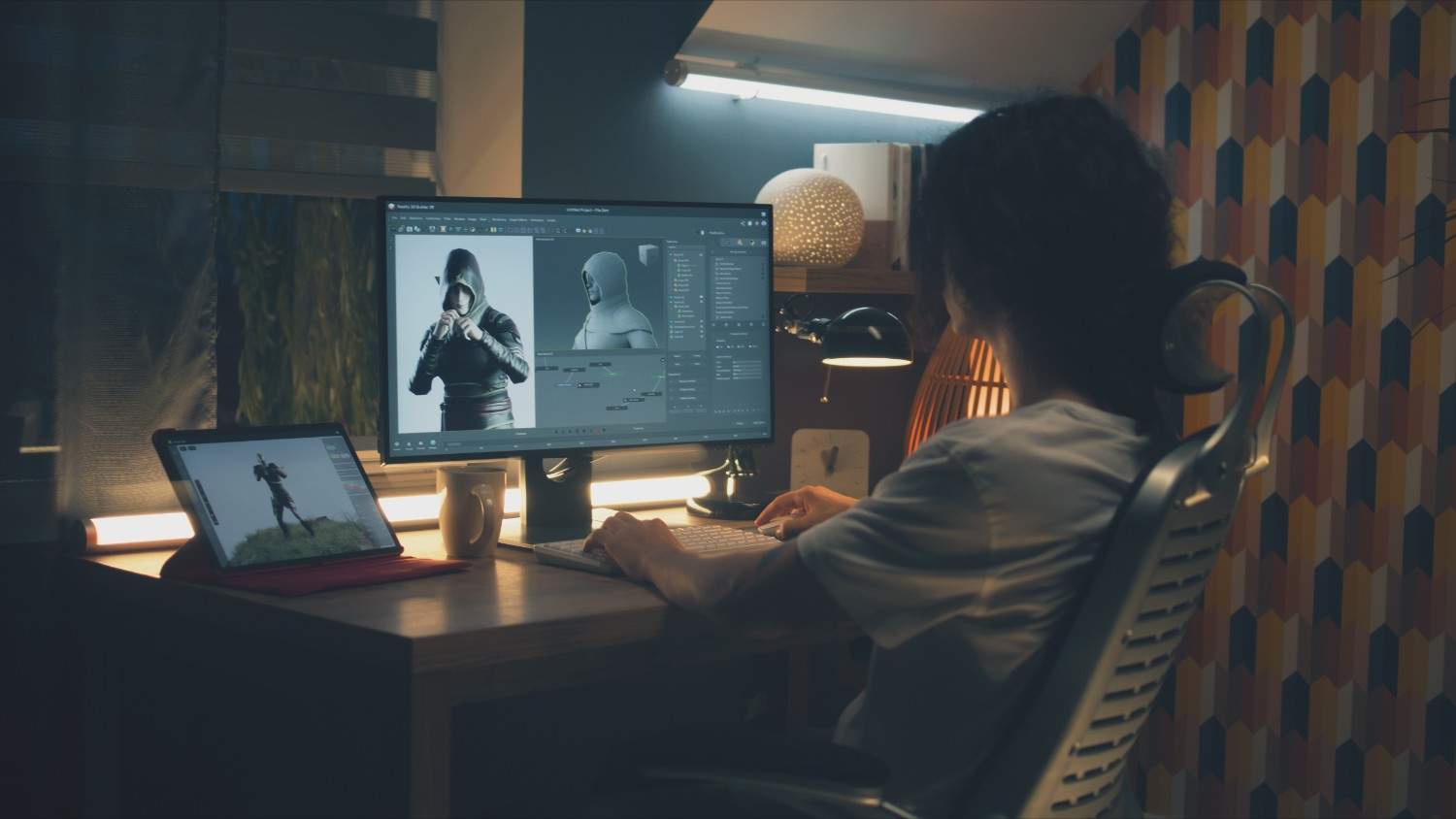
Creature animators work with a wide range of 3D animation software and modeling tools. Since many studios use customized pipelines, professional animators must also be comfortable learning new technologies quickly.
Some of the most commonly used software includes:
- Maya: A leading industry tool for 3D animation, modeling, and rigging. It is widely used for creating complex creature performances in film and games.
- Unreal Engine: A powerful real-time game engine used for interactive animation, virtual environments, and modern production workflows.
- Substance Designer and Substance Painter: Tools used for creating textures, materials, and realistic surface details for creature models.
Conclusion: Ready to Bring Creatures to Life?
Creature animators specialize in transforming digital models into believable characters. Whether they are creating animals, monsters, aliens, or fantasy creatures, these artists combine technology, creativity, and storytelling to produce memorable performances for films, television, and video games.
Becoming a successful creature animator requires more than simply learning animation software. Artists must understand movement, anatomy, physics, and storytelling to make creatures feel alive and convincing.
Improving in this field requires continuous learning and practice. Explore more insights through Exploring the Art of Narrative Design with Megan Stark and Gaming Insights: Industry Leaders Valuation And Expectations.
You can also practice your skills with tutorials such as 3D Environment Modeling: Master Dragon Skull Sculpting and Quick & Easy Texturing Tutorial – Dragon Skull.
Creature animation combines knowledge of physics, movement, and visual storytelling. If you are developing skills in these areas, continued education, practice, and guidance from experienced professionals can help you progress toward an industry career.
Visit the academy programs section to discover available learning paths. You can also explore specialized courses or learn advanced techniques through masterclasses.
Ready to turn your passion into a career? Visit the enrollment and financing section to learn more about available options, or apply today and start exploring the world of creature animation.